If you’re running a metal processing shop, a medium-frequency induction smelting furnace (MFISF) is probably one of your workhorses—no fancy flames, precise heat control, and perfect for everything from aluminum castings to small steel billets. But let’s be real: working with any kind of furnace that’s cranking out 1,000+ degree Celsius heat isn’t a casual gig. Over my years as an MFISF supplier, I’ve seen so many folks skip small safety steps and end up with burnt gear, lost time, or way worse. This post isn’t just generic “be safe” fluff—it’s the hard, actionable stuff I’ve hammered into every client training, the stuff that’s kept their teams whole and their furnaces running for years. Let’s break it down. Medium-Frequency Induction Smelting Furnace
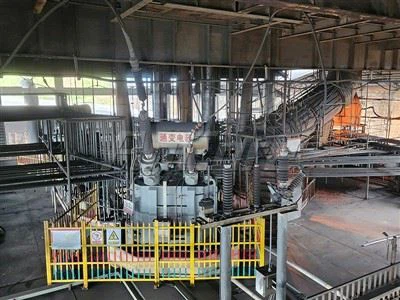
First off, the stuff you can’t see that causes the biggest issues: electrical safety. MFISF runs on heavy current—most 500kg units pull 30kW or more, right? So if your wiring’s even a little frayed or your ground fault protection (GFP) is old, that’s a shock waiting to happen. I’ve had a new client call me in after a tech got a tingle when he touched the furnace control panel—turns out their electrician had used undersized 12AWG wire for a unit that needed 10AWG, and the insulation was breaking down from constant heat. The first rule here is never skip the electrical pre-start check, even if the furnace “worked fine yesterday.” Before every shift, yank out the control panel cover (unplug the furnace first, duh) and check for cracked insulation, loose terminal screws, and make sure your GFP trips when you test it—no exceptions. Also, lockout/tagout (LOTO) isn’t just a OSHA buzzword. When you’re cleaning the furnace crucible or fixing the cooling lines, tag the main power switch with your name and don’t let anyone move it. I can’t tell you how many times a helper saw a “turned-off” furnace, assumed it was free, and flipped the switch while a tech was reaching in. LOTO saves lives.
Next, the heat-related stuff that’s way too easy to overlook. When you’re smelting metal, that crucible is glowing, and the area around it is a heat sink—your face, arms, even your shoes feel like they’re being toasted. First, personal protective equipment (PPE) isn’t optional here. I see guys wear t-shirts and jeans all the time, and it’s a disaster waiting to happen. Cotton burns fast, and if a splash of molten metal hits you, it’ll stick to the fabric. Mandate heat-resistant coveralls—heavy-duty, not the cheap stuff from the hardware store—and make sure they’re free of tears or loose threads. Steel-toe boots with non-slip soles too; if you spill a bucket of molten slag, you don’t want to slip and step in it. No open-toed shoes, no shorts, no long hair hanging loose (that’s a fire hazard too—tie it back tight). Also, the PPE isn’t just for the furnace operator. If your helper is carrying molds or lifting pre-cut metal, give them heat-resistant gloves too—small splashes don’t care who’s watching.
Then there’s the furnace’s own cooling system. MFISF uses water to keep the induction coils from overheating, right? If that water stops flowing, the coils will melt in 60 seconds flat, and you’ll have a $10,000 repair bill plus a potential overheat fire. I’ve had one client skip checking the cooling lines for a week because they “looked fine”—turns out a small clog in the inlet line made the flow drop, and the furnace tripped a overload, but they were too busy to reset it. Now their coils are fried, and they’re down for two weeks. So here’s the drill: before every start, check the cooling water flow meter— it should be steady, not fluctuating. Use a low-pressure air blast to blow out any debris in the line filters once a week, and test the low-flow alarm every month. If the alarm goes off during a run, hit the emergency shutoff immediately—don’t wait to “see if it’s a false alarm.” That’s the #1 mistake I see. Also, use demineralized water, not tap water. Tap water has minerals that build up scale inside the coils, which insulates the heat and makes them run hotter. A quick $20 water change every three months is way cheaper than replacing coils.
Molten metal handling is the big one, and this is where most accidents happen. A splash of molten aluminum at 700C can burn through skin in half a second, and steel at 1,500C will melt right through boots. First, never overfill the crucible. I know you want to get every last bit out of a batch, but if the metal level is within 2 inches of the top, it’ll slosh when you tilt the furnace or add new scrap. Have a line on the crucible that marks the max fill level—stick a small piece of tape or a metal tab, and enforce it. Second, pre-heat all tools and molds before you pour. If you throw a cold mold into a pool of molten metal, the metal will instantly vaporize any moisture on the mold, and that steam explosion will send shards of molten metal flying. I once trained a client where a helper poured into a cold mold, and a piece of aluminum bounced off and hit his arm—he was out for six weeks. Pre-heat every tool with a small torch for 10 minutes, and tap the mold with your glove to make sure it’s not cold before pouring. Third, never add wet scrap metal to the furnace. Even a tiny bit of water on a steel chunk will cause a reaction. If you just got scrap delivered in the rain, make sure it’s fully dry overnight, not just wiped off. Wet scrap can also make the furnace spatter, which is bad for you and can damage the liners.
Ventilation is another thing people sleep on. When you smelt metal, you’re releasing fumes—aluminum oxide, zinc, even lead if you’re working with scrap that has old paint. These fumes aren’t just stinky; they’re toxic, and long-term exposure will mess with your lungs. I saw a small foundry a year ago where their exhaust fan was broken, and after six months, two operators developed chronic bronchitis. So make sure your furnace is hooked up to a local exhaust hood that’s positioned right over the crucible—no dead air space. Don’t just rely on the shop’s general ventilation; that’s never enough. Also, test the air quality in the shop once a quarter, especially if you’re working with metal that has coatings (like brass with paint, or scrap steel with rust). If your team is complaining of headaches or nausea after shifts, the fumes are too high—fix the hood or add a portable air filter before someone gets sick.
Emergency preparedness is non-negotiable, and it’s not just having a fire extinguisher nearby. First, map out your emergency exits—no blocking them with scrap metal or pallets. Everyone on the floor should know where the emergency shutoff switch for the furnace is, and there should be a visible sign above it with big letters. Also, have a first aid kit specifically for burn injuries—don’t use the generic band-aid kit. Burn cream, sterile gauze, and a container of sterile water to flush small burns. For major burns, have a designated person who knows how to call 911 and guide them to the shop—no one’s wasting time fumbling with directions when someone’s hurt. And for metal fires—yes, they happen. Never use water on a metal fire. Water makes it worse. Use a Class D fire extinguisher, specifically designed for combustible metals. I keep a Class D extinguisher near every furnace I sell, and I make sure every client knows how to use it. A while back, a client’s crucible cracked during a pour, and molten metal spilled onto the floor—his operator grabbed the Class D extinguisher, put it out in 10 seconds, and no one got hurt. If he’d used a regular water extinguisher, that fire would’ve spread to the scrap pile and caused thousands in damage.
Wait, and one last thing: training isn’t a one-time thing. I have clients who call me a month after they get their furnace saying “we know how to use it” and skip the annual refreshers. But furnace techs forget small things, and new hires don’t know the hidden risks. I always offer free on-site training for the first year after installation, plus quick phone check-ins every quarter to go over safety stuff. Every new operator should shadow a seasoned one for at least 5 shifts before running the furnace alone—no exceptions. I’ve seen too many new guys think “it’s just a furnace” and mess up.

At the end of the day, your MFISF is a powerful tool that makes your business money, but safety isn’t an afterthought—it’s part of operating it right. All these steps aren’t just rules from some safety manual; they’re things I’ve seen work (and fail) over hundreds of installations. If you’re in the market for a medium-frequency induction smelting furnace, or you need to upgrade your current setup to meet safety standards, hit me up to chat about what works for your shop. No sales pitches, just honest advice from someone who’s worked with these furnaces for years.
Submerged Arc Furnace References:
- Occupational Safety and Health Administration (OSHA). 29 CFR 1910.219: Electrical Equipment for Metal Processing. U.S. Department of Labor, 2022.
- National Fire Protection Association (NFPA). NFPA 484: Standard for Combustible Metals. National Fire Protection Association, 2021.
- Metal Casting Industry Safety Committee (MCISC). Safety Guidelines for Induction Smelting Furnace Operations. American Foundry Society, 2020.
- International Organization for Standardization (ISO). ISO 13732-1: Ergonomics of the Thermal Environment. ISO, 2018.
Xi’an Ancore Furnace Complete Set Of Equipment Co., Ltd.
As one of the most professional medium-frequency induction smelting furnace manufacturers and suppliers in China, we’re featured by quality products and good price. Please rest assured to buy durable medium-frequency induction smelting furnace made in China here from our factory. We also accept customized orders.
Address: Yongli 11007, No.6 Jinye 1st Road, Yan Ta District, Xi’An City, Shan Xi,China.
E-mail: info@ancorefurnace.com
WebSite: https://www.ancorefurnace.com/
