Hey there! As a supplier of the ESP32 Camera Module, I often get asked about the communication protocols it uses. So, let’s dig into it and break things down! ESP32 Camera Module
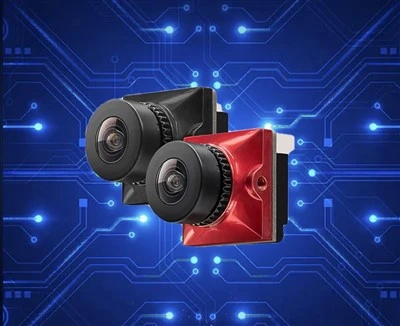
First off, the ESP32 Camera Module is a pretty nifty piece of tech. It combines the power of the ESP32 microcontroller with a camera, making it great for all sorts of projects, from home security systems to IoT monitoring setups.
One of the main communication protocols the ESP32 Camera Module uses is the Serial Peripheral Interface, or SPI for short. SPI is a synchronous serial communication protocol that’s all about speed. It allows for fast data transfer between the camera module and the ESP32 board. The way it works is that there’s a master device (usually the ESP32 in our case) and one or more slave devices (the camera module). The master controls the communication and sends out clock signals, which the slave follows to send and receive data.
The great thing about SPI is that it can handle a high data rate. For a camera module, this is super important because there’s a ton of image data that needs to be transferred quickly. If the data transfer rate is too slow, you’ll end up with laggy or distorted images. With SPI, we can get that smooth video capture and transmission we all want.
Another protocol that’s used is the Inter – Integrated Circuit, or I2C. I2C is a different beast compared to SPI. It’s a multi – master, multi – slave serial communication protocol. In simple terms, it’s a bit slower than SPI, but it uses fewer wires. This makes it great for situations where you don’t have a lot of space on the board or where you want to connect multiple devices in a more compact way.
In the ESP32 Camera Module, I2C is used mainly for configuration purposes. The ESP32 can use I2C to send commands to the camera module, like setting the resolution, adjusting the brightness, or changing the color mode. So, while SPI is all about getting the actual image data, I2C is more about telling the camera what to do.
Now, let’s talk about how these protocols are implemented in the ESP32 Camera Module. The ESP32 has built – in hardware support for both SPI and I2C. This means that the module can communicate with the ESP32 without the need for a lot of external components. The software side is also well – developed. There are plenty of libraries available that make it easy for developers to use these protocols.
For example, if you’re using the Arduino IDE to program the ESP32, there are libraries that can handle SPI and I2C communication with the camera module. You just need to include the right headers and call the appropriate functions. This makes it accessible even for those who are new to programming or hardware development.
One thing to note is that the choice between SPI and I2C depends on the specific requirements of your project. If you’re building a high – speed video streaming application, SPI might be your go – to protocol. But if you’re more concerned with simplicity and connecting multiple devices, I2C could be the better option.
Let’s take a real – world example. Say you’re building a home security camera system. You want to stream high – quality video to your smartphone or a cloud server. In this case, you’d probably rely heavily on SPI for the fast data transfer of the video. At the same time, you might use I2C to adjust the camera settings remotely, like changing the night – vision mode.
As a supplier of the ESP32 Camera Module, I’ve seen firsthand how these protocols are used in different projects. Whether it’s a DIY enthusiast building a small – scale project or a professional developer working on a large – scale IoT application, the flexibility of these communication protocols is a huge advantage.
The ESP32 Camera Module also supports other forms of communication, like Wi – Fi and Bluetooth. Wi – Fi allows the module to connect to a local network or the internet, which is great for remote access and data sharing. You can stream the camera feed to a web server or send it directly to a mobile app. Bluetooth, on the other hand, is useful for short – range communication. You can pair the module with a nearby device, like a smartphone, to quickly transfer images or change settings.
The combination of these communication protocols makes the ESP32 Camera Module a versatile tool. It can fit into a wide range of scenarios, from smart home setups to industrial monitoring applications.
Now, if you’re thinking about using the ESP32 Camera Module in your project, you might be wondering about the performance and reliability of these communication protocols. Well, let me tell you, the ESP32 is a well – tested and proven microcontroller. The hardware and software implementations of SPI, I2C, Wi – Fi, and Bluetooth are robust. There are also a lot of resources available online, like forums and tutorials, where you can find solutions to any problems you might encounter.
If you’re interested in buying the ESP32 Camera Module for your project, we’re here to help. We have a wide range of ESP32 Camera Modules that can meet different needs. Whether you’re looking for a high – resolution camera for a detailed surveillance project or a low – cost option for a simple DIY project, we’ve got you covered.

Our team is also available to answer any questions you might have about the communication protocols, programming, or integration. We can provide technical support and guidance to make sure your project goes smoothly. So, if you’re ready to take the next step and start using the ESP32 Camera Module, don’t hesitate to reach out to us for a friendly chat about your needs and how we can assist you!
Low Resolution (≤4MP) References:
- Datasheet of ESP32 Microcontroller
- ESP32 Camera Module Documentation
- Arduino Library Documentation for ESP32
Shenzhen Juchangxing Technology Co., Ltd.
We are one of the most experienced esp32 camera module manufacturers and suppliers in China, also support custom service. We warmly welcome you to wholesale durable esp32 camera module at competitive price from our factory. If you have any enquiry about cooperation, please feel free to email us.
Address: 3rd Floor, Build A, No. 8, Huangdiyin IndustrialZone, Longhua District, Shenzhen.
E-mail: sales@juchangxing.com
WebSite: https://www.jcxcamera.com/
