Heavy hex nuts are a staple in the fastener industry, known for their robust design and wide range of applications. As a supplier of heavy hex nuts, I often encounter inquiries from customers about their suitability for high – stress applications. In this blog, we will delve into the technical aspects, advantages, limitations, and real – world examples to determine whether heavy hex nuts can indeed be used in high – stress scenarios. Heavy Hex Nuts
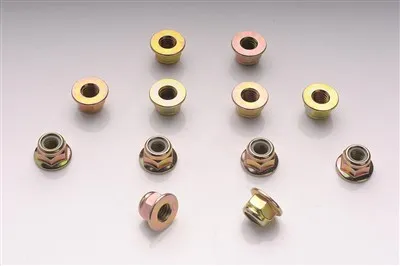
Understanding Heavy Hex Nuts
Heavy hex nuts are characterized by their larger dimensions compared to standard hex nuts. They have a greater width across flats and a higher height, which provides more surface area for contact with the mating part. This increased contact area distributes the load more evenly and reduces the risk of damage to the connected components.
The manufacturing process of heavy hex nuts typically involves forging, which enhances their mechanical properties. Forging aligns the grain structure of the metal, resulting in improved strength and toughness. Common materials used for heavy hex nuts include carbon steel, alloy steel, and stainless steel, each offering different levels of strength, corrosion resistance, and temperature tolerance.
High – Stress Applications: What Defines Them?
High – stress applications are those where fasteners are subjected to significant forces, such as tension, compression, shear, or a combination of these. Examples of high – stress applications include bridge construction, heavy machinery, automotive engines, and aerospace components. In these scenarios, the failure of a single fastener can have catastrophic consequences, making the selection of appropriate hardware crucial.
Factors that contribute to high – stress conditions include the magnitude of the applied load, the frequency of load cycling, and the operating environment. For instance, in a bridge, the nuts must withstand the constant weight of traffic, wind forces, and temperature fluctuations. In an automotive engine, they are exposed to high – speed vibrations, high temperatures, and corrosive substances.
Advantages of Using Heavy Hex Nuts in High – Stress Applications
1. Increased Strength
The larger size and forging process of heavy hex nuts contribute to their superior strength. They can withstand higher tensile and shear loads compared to standard hex nuts. For example, in a structural steel connection, heavy hex nuts provide a more secure grip, preventing the bolts from loosening under high – stress conditions. The increased strength also allows for the use of smaller – diameter bolts in some cases, reducing the overall weight of the structure without compromising its integrity.
2. Better Load Distribution
The additional surface area of heavy hex nuts distributes the load more evenly across the mating surface. This reduces the stress concentration on the bolt and the connected parts, minimizing the risk of fatigue failure. In high – stress applications where repeated loading occurs, such as in machinery with moving parts, even load distribution is essential for long – term reliability.
3. Resistance to Corrosion and Wear
Depending on the material used, heavy hex nuts can offer excellent resistance to corrosion and wear. Stainless steel heavy hex nuts, for example, are highly resistant to rust and oxidation, making them suitable for outdoor and marine applications. In high – stress environments where fasteners are exposed to harsh chemicals or abrasive materials, the wear and corrosion resistance of heavy hex nuts ensure their long – term performance.
Limitations and Considerations
1. Cost
Heavy hex nuts are generally more expensive than standard hex nuts due to their larger size and the forging process involved in their manufacture. In cost – sensitive projects, this can be a significant drawback. However, it is important to consider the long – term cost benefits, as the use of heavy hex nuts can reduce the need for frequent replacements and maintenance in high – stress applications.
2. Installation Requirements
The larger size of heavy hex nuts may require more space for installation. In some tight – fitting applications or where there are space constraints, the use of heavy hex nuts may not be feasible. Additionally, the increased weight of heavy hex nuts can add to the overall weight of the structure, which may need to be considered in applications where weight is a critical factor, such as in aerospace.
3. Compatibility
It is crucial to ensure that heavy hex nuts are compatible with the bolts and other components in the system. Using mismatched fasteners can lead to improper seating, reduced clamping force, and ultimately, failure under stress. It is recommended to follow industry standards and specifications when selecting heavy hex nuts for high – stress applications.
Real – World Examples
1. Bridge Construction
In bridge construction, heavy hex nuts are widely used to secure the structural steel components. The large loads and dynamic forces acting on bridges require fasteners that can withstand high stress. Heavy hex nuts provide the necessary strength and load – distribution capabilities to ensure the long – term stability of the bridge. For example, the bolts and nuts used in the cable – stay systems of modern bridges are often heavy hex components, as they need to resist the high tensile forces exerted by the cables.
2. Heavy Machinery
Heavy machinery, such as cranes, excavators, and mining equipment, operates under extreme conditions. The moving parts of these machines generate high levels of stress on the fasteners. Heavy hex nuts are commonly used in the joints and connections of heavy machinery to prevent loosening and ensure the safe and efficient operation of the equipment. The forging process of heavy hex nuts also helps them withstand the shock and vibration associated with heavy – duty machinery.
3. Automotive Engines
Automotive engines are complex systems where high – stress conditions are prevalent. The bolts and nuts used in engine components, such as cylinder heads and connecting rods, are subjected to high temperatures, pressures, and vibrations. Heavy hex nuts made of high – strength alloy steel are often used in these applications to ensure a reliable and long – lasting connection. Their ability to resist stretching and fatigue helps maintain the integrity of the engine over its lifespan.
Conclusion
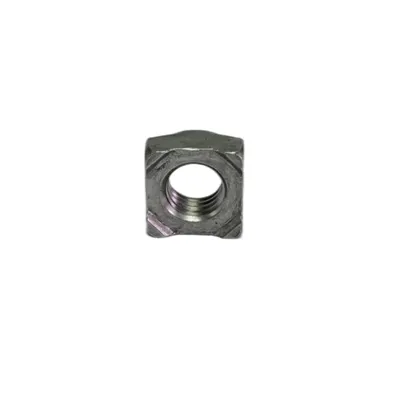
In conclusion, heavy hex nuts can be effectively used in high – stress applications. Their increased strength, better load distribution, and resistance to corrosion and wear make them a suitable choice for a wide range of demanding scenarios. However, it is important to consider the limitations, such as cost, installation requirements, and compatibility, before selecting heavy hex nuts for a particular project.
Nylon Lock Nut As a supplier of heavy hex nuts, I am committed to providing high – quality products that meet the needs of various industries. Our heavy hex nuts are manufactured to strict quality standards and undergo rigorous testing to ensure their performance in high – stress applications. If you are involved in a project that requires reliable fasteners for high – stress conditions, I encourage you to contact us to discuss your specific requirements. We can work with you to select the most appropriate heavy hex nuts and provide you with expert advice on installation and maintenance.
References
- Machinery’s Handbook, 31st Edition
- "Fasteners and Their Design in Mechanical Engineering" by Josef Nechvátal
- Standards and guidelines from the American Society of Mechanical Engineers (ASME)
- Publications from the International Organization for Standardization (ISO) related to fasteners
Jiaxing Jinling Hardware Technolgy Joint Stock Co., Ltd.
As one of the most experienced heavy hex nuts manufacturers and suppliers in China, we also support customized service. Please feel free to buy bulk high-grade heavy hex nuts made in China here from our factory. For quotation and price list, contact us now.
Address: No.32, Shenjiadai, Xuyouche Village, Qinshan Subdistrict, Haiyan County, Zhejiang Province, China
E-mail: jlzxl@jinlingfstn.com
WebSite: https://www.china-nut-factory.com/
