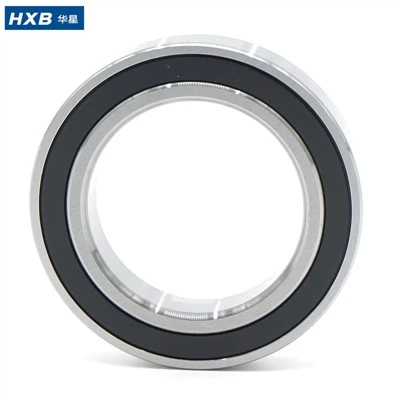
As a supplier of Special Deep Groove Ball Bearings, I’ve witnessed firsthand the pivotal role that correct alignment plays in the performance and longevity of these crucial components. In the world of mechanical engineering, achieving precise alignment isn’t just a goal; it’s a necessity. Misaligned bearings can lead to a host of problems, from increased friction and premature wear to costly breakdowns and downtime. In this blog post, I’ll share some essential tips and best practices for ensuring the correct alignment of Special Deep Groove Ball Bearings. Special Deep Groove Ball Bearings
Understanding the Basics of Bearing Alignment
Before delving into the alignment process, it’s essential to understand what alignment means in the context of bearings. Alignment refers to the proper positioning of the bearing within its housing and the shaft on which it’s mounted. In an ideal scenario, the bearing’s inner and outer races should be perfectly concentric, and the bearing should be parallel to the shaft and perpendicular to the housing.
When a bearing is misaligned, it creates uneven loads on the rolling elements and races, causing excessive stress and wear. This can lead to a variety of issues, including:
- Increased friction: Misalignment can cause the bearing to rub against the housing or shaft, increasing friction and generating heat. This can lead to premature wear of the bearing and other components.
- Premature failure: The uneven loads created by misalignment can cause the bearing to fail prematurely, reducing its service life and increasing the risk of breakdowns.
- Vibration and noise: Misaligned bearings can cause vibration and noise in the machinery, which can not only be annoying but also indicate potential problems.
- Reduced efficiency: The increased friction and wear caused by misalignment can reduce the efficiency of the machinery, leading to higher energy consumption and increased operating costs.
Factors Affecting Bearing Alignment
Several factors can affect the alignment of Special Deep Groove Ball Bearings, including:
- Installation: Improper installation is one of the most common causes of bearing misalignment. If the bearing is not installed correctly, it may not be properly seated in the housing or on the shaft, leading to misalignment.
- Shaft and housing distortion: Shaft and housing distortion can occur due to various factors, such as improper machining, thermal expansion, or external loads. This can cause the bearing to become misaligned.
- Belt and chain tension: Uneven belt or chain tension can cause the shaft to deflect, leading to bearing misalignment.
- Machine design: The design of the machine can also affect bearing alignment. For example, if the machine has a long shaft or is subjected to high loads, it may be more prone to misalignment.
Alignment Methods
There are several methods for aligning Special Deep Groove Ball Bearings, including:
- Straightedge alignment: This is the simplest and most basic method of alignment. It involves using a straightedge to check the alignment of the shaft and housing. If the straightedge shows a gap or unevenness, adjustments can be made to the bearing or housing to correct the alignment.
- Dial indicator alignment: This method is more accurate than straightedge alignment. It involves using a dial indicator to measure the alignment of the shaft and housing. The dial indicator is mounted on the bearing housing, and the shaft is rotated. The dial indicator measures the amount of movement or displacement of the shaft, indicating the degree of misalignment. Adjustments can then be made to the bearing or housing to correct the alignment.
- Laser alignment: This is the most accurate and advanced method of alignment. It involves using a laser alignment system to measure the alignment of the shaft and housing. The laser alignment system emits a laser beam that is reflected off a target mounted on the shaft. The system measures the position and angle of the laser beam, indicating the degree of misalignment. Adjustments can then be made to the bearing or housing to correct the alignment.
Best Practices for Bearing Alignment
To ensure the correct alignment of Special Deep Groove Ball Bearings, it’s important to follow these best practices:
- Use the right tools: Using the right tools for the job is essential for accurate alignment. Make sure to use a high-quality straightedge, dial indicator, or laser alignment system.
- Follow the manufacturer’s instructions: The manufacturer’s instructions provide valuable information on how to install and align the bearing correctly. Make sure to read and follow the instructions carefully.
- Check the shaft and housing: Before installing the bearing, make sure to check the shaft and housing for any signs of damage or distortion. If the shaft or housing is damaged or distorted, it may need to be repaired or replaced before installing the bearing.
- Install the bearing correctly: Make sure to install the bearing correctly in the housing and on the shaft. Use the correct tools and techniques to ensure a proper fit.
- Check the alignment regularly: Regularly checking the alignment of the bearing is essential for preventing problems. Make sure to check the alignment of the bearing at least once a year, or more frequently if the machine is subjected to high loads or operating conditions.
- Make adjustments as needed: If the alignment of the bearing is found to be off, make adjustments as needed to correct the alignment. Use the right tools and techniques to ensure accurate adjustments.
Training and Education
Proper training and education are essential for ensuring the correct alignment of Special Deep Groove Ball Bearings. Make sure that your maintenance and repair personnel are trained on the proper installation and alignment techniques for the bearings. Provide them with the necessary tools and equipment, and make sure that they have access to the manufacturer’s instructions and technical support.
Conclusion
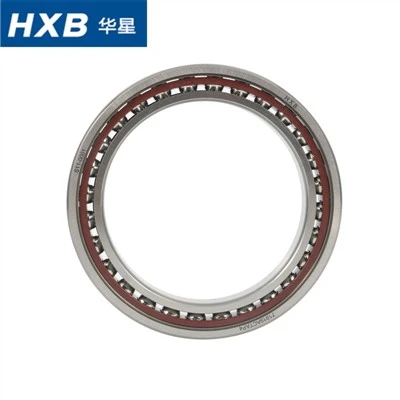
Ensuring the correct alignment of Special Deep Groove Ball Bearings is essential for the performance and longevity of these crucial components. By understanding the basics of bearing alignment, the factors that can affect alignment, the alignment methods available, and the best practices for alignment, you can help to prevent problems and ensure the reliable operation of your machinery.
Household Appliances Bearings If you’re in the market for high-quality Special Deep Groove Ball Bearings or need assistance with bearing alignment, please don’t hesitate to contact us. Our team of experts is here to help you find the right bearings for your application and provide you with the support and guidance you need to ensure their proper installation and alignment. Contact us today to discuss your requirements and learn more about our products and services.
References
- Machinery’s Handbook, 30th Edition, Industrial Press
- Bearing Installation and Maintenance Guide, SKF
- Alignment Handbook, Mobius Institute
Hangzhou Huaxing Kechuang Holding Group Co., Ltd.
Hangzhou Huaxing Kechuang Holding Group Co., Ltd. is one of the leading manufacturers and suppliers of special deep groove ball bearings in China, featured by quality products and good service. Please rest assured to buy bulk durable special deep groove ball bearings from our factory. Welcome to view our website for more information.
Address: No.553 Yingbin Road, Linping, Hangzhou, 311100, China
E-mail: wmb@huaxingbearing.com
WebSite: https://www.hxbbearing.com/
