When dealing with the manufacturing and supply of Chips & LEDs, understanding the isolation requirements is of utmost importance. As a leading supplier in the field, I’ve had the privilege of witnessing firsthand how crucial proper isolation is for the optimal performance, safety, and longevity of these components. Chip & LED

Electrical Isolation
One of the primary isolation requirements for Chips & LEDs is electrical isolation. Electrical isolation serves several key purposes. Firstly, it protects sensitive components from electrical interference. In modern electronic devices, there are numerous electrical signals coursing through the circuits. These signals can generate electromagnetic fields that may interfere with the operation of Chips & LEDs. If a chip is not properly electrically isolated, it may receive unwanted electrical noise, which can lead to erratic behavior, incorrect data processing, or even complete failure.
For example, in automotive applications, an LED used for dashboard lighting needs to be electrically isolated from the high – voltage components of the vehicle’s electrical system. The high – voltage spikes generated by the engine’s ignition system or other power electronics can damage the LED if there is no proper electrical isolation. This can result in flickering lights or sudden burnout, compromising the safety and functionality of the vehicle’s interior lighting.
There are several ways to achieve electrical isolation. Transformers are a common method. A transformer works on the principle of electromagnetic induction, allowing electrical energy to be transferred from one circuit to another without a direct electrical connection. This effectively isolates the input and output circuits. Another approach is the use of opto – isolators. Opto – isolators use light to transfer signals between two circuits. An LED on one side emits light when an electrical signal is applied, and a photodetector on the other side converts the light back into an electrical signal. This provides electrical isolation because there is no direct electrical path between the input and output.
Thermal Isolation
Thermal isolation is another critical aspect for Chips & LEDs. Both chips and LEDs generate heat during operation. Excessive heat can have a detrimental impact on their performance and lifespan. For LEDs, high temperatures can cause a phenomenon known as thermal quenching. This reduces the light output of the LED and can also shift the color of the emitted light. In the case of chips, overheating can lead to reduced processing speed, increased power consumption, and even permanent damage to the semiconductor material.
To ensure thermal isolation, heat sinks are commonly used. A heat sink is a passive device that absorbs and dissipates heat away from the chip or LED. It is typically made of a material with high thermal conductivity, such as aluminum or copper. The heat sink has a large surface area, which allows for efficient heat transfer to the surrounding air. In some high – power applications, fans or liquid cooling systems are used in conjunction with heat sinks to enhance the thermal isolation.
For example, in high – end computer graphics cards, which contain powerful chips and LEDs, advanced thermal management systems are employed. These systems use large heat sinks, heat pipes, and high – speed fans to keep the components at a safe operating temperature. Without proper thermal isolation, the performance of the graphics card would degrade rapidly, and the user would experience issues such as screen artifacts and game crashes.
Mechanical Isolation
Mechanical isolation is also necessary for Chips & LEDs. The components need to be protected from physical shock, vibration, and stress. In industrial applications, where machines are often subject to high – levels of vibration, chips and LEDs can be damaged if they are not mechanically isolated. A small crack in the semiconductor material of a chip or a misaligned LED in its housing can lead to a significant loss of performance or complete failure.
One way to achieve mechanical isolation is through the use of shock – absorbing materials. These materials can be placed around the chip or LED to cushion them from mechanical impacts. For example, rubber gaskets or silicone pads can be used to isolate components from the chassis of a device. In addition, proper mounting techniques are essential. Components should be securely mounted to prevent movement, but also with enough flexibility to accommodate minor vibrations.
In aerospace applications, where components are exposed to extreme mechanical stress during takeoff, flight, and landing, mechanical isolation is even more critical. Chips and LEDs used in avionics systems are carefully engineered and mounted to ensure they can withstand the harsh mechanical environment. Any failure in these components can have catastrophic consequences.
Environmental Isolation
Lastly, environmental isolation is a crucial consideration for Chips & LEDs. Components need to be protected from moisture, dust, chemicals, and other environmental factors. Moisture can cause corrosion of the electrical contacts in chips and LEDs, leading to increased resistance and potential short – circuits. Dust can accumulate on the surfaces of components, reducing their ability to dissipate heat and potentially causing physical damage.
To achieve environmental isolation, components can be encapsulated in protective coatings or housings. For example, conformal coatings are often applied to printed circuit boards containing chips and LEDs. These coatings form a thin, protective layer that shields the components from moisture, dust, and chemicals. In outdoor applications, LEDs are often housed in waterproof and dust – proof enclosures to ensure their long – term reliability.
In harsh industrial environments, such as chemical plants or mines, additional environmental isolation measures are required. Components may need to be resistant to specific chemicals or protected from extreme temperatures. Suppliers like us work closely with customers to understand their specific environmental requirements and provide components that are adequately isolated.
Conclusion
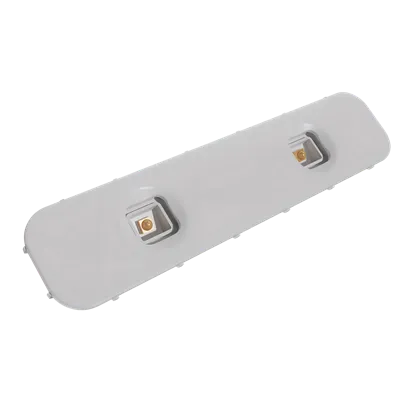
In conclusion, the isolation requirements for Chips & LEDs are multi – faceted, encompassing electrical, thermal, mechanical, and environmental aspects. As a supplier, it is our responsibility to ensure that the components we provide meet these stringent isolation requirements. By doing so, we can guarantee the optimal performance, safety, and longevity of the Chips & LEDs for our customers.
Laser Module If you are in need of high – quality Chips & LEDs that are designed with proper isolation in mind, I encourage you to reach out to us. We have a wide range of products that can meet your specific needs, whether it’s for consumer electronics, automotive applications, industrial machinery, or any other field. Our team of experts is ready to assist you in selecting the right components and providing technical support. Let’s start a conversation about your procurement needs and find the best solutions together.
References
- "Microelectronic Circuit Design" by Richard C. Jaeger and Travis N. Blalock
- "LED Lighting Handbook" by Roland Haitz and Gerhard Mueller
- "Thermal Management of Electronic Equipment" by Avram Bar – Cohen and Alphonse D. Kraus
UVLEDTEK Group
As one of the most professional chip & led manufacturers and suppliers in China, our products have good reputation in the market. Please rest assured to buy high quality chip & led at competitive price from our factory. For more information, contact us now.
Address: Huangshi Industrial Zone, Putian City, Fujian Province, China
E-mail: info@uvledtek.com
WebSite: https://www.uvledtek.com/
