Hey there! If you’ve ever stood in the cleaning aisle of a grocery store, staring at stacks of neon yellow and blue scrub sponges, wondering “when’s the right time to toss these?” — you’re not alone. As someone who’s spent the last 8 years supplying scrub sponges to households, restaurants, and even a few college dorms across the country, this is the question I get literally every week. Folks either hold onto theirs till it falls apart (gross, by the way) or toss them after a single use, wasting money and creating unnecessary plastic waste. Today, I’m breaking down how long these little scrubbers actually last — science-backed, real-world tested, and no fancy jargon. Let’s dive in. Scrub Sponges

First off, let’s get one thing straight: not all scrub sponges are created equal. I’ve seen cheap, dollar-store sponges that dissolve after 3 uses, and industrial-grade ones that keep going strong for months. That’s why it’s impossible to give a one-size-fits-all timeline. But I can tell you what factors play the biggest role, and what to expect based on how you use and care for them. Let’s start with the basics of what a standard scrub sponge is made of, because that actually matters for lifespan.
Most common scrub sponges (the ones you see in every kitchen) are two-part: a porous cellulose scrub side (that light, fluffy yellow stuff) and a stiff, nylon scrubber side (the green/blue pad with little scrubby loops). Some cheaper ones swap cellulose for recycled plastic, but the core design is the same. Cellulose is natural, derived from wood pulp, and it’s great for soaking up water. Nylon is synthetic, durable, and that’s what does the heavy scrubbing on burnt pans, caked-on food, and stovetop grime.
Now, let’s talk real-world use cases, because that’s where the rubber meets the road (pun totally intended, sorry). I’ve kept detailed notes on customer feedback and product testing since I started supplying, so these numbers are from actual data, not just guesswork. For the average home cook: if you’re using your sponge daily to wipe down counters, wash dishes, and tackle small messes, it’ll last about 2 to 4 weeks. Wait, that’s it? Yeah, I know, that’s shorter than a lot of people think. But here’s the catch — that’s only if you’re caring for it right.
If you’re using it for more heavy-duty stuff, like scrubbing BBQ grates, cleaning fish tanks, or tackling moldy shower grout? That lifespan drops to 3 to 7 days. Those harsh, abrasive materials break down both the cellulose and nylon way faster, plus you’re picking up way more bacteria and grime, which makes the sponge fall apart physically too. I’ve had a customer who used one for cleaning his work boots (don’t ask) and it was basically mush by the end of the day. Ouch.
On the flip side, if you’re being super gentle with it — like only using it to wipe down clean counters and dry produce, no scrubbing burnt cheese off skillets — and you’re storing it properly? You can stretch that out to 6 to 8 weeks. I had a family in Ohio who told me their sponge lasted almost 2 months, but they only used it for light cleanup and rinsed it out really well after every use. That’s a standout case, not the norm, but it’s totally doable.
Now, let’s talk about the science behind why sponges go bad so fast, because this is where it gets interesting (I promise, it’s not boring). The two big culprits here are bacteria growth and material breakdown. Cellulose is like a sponge for bacteria — it’s porous, holds moisture, and has all the nutrients those little microbes need to multiply fast. Studies (I’ll link the actual ones later, don’t worry) have found that a used kitchen sponge can have up to 50 billion bacteria per square inch after just a week. That’s more bacteria than you’d find on a public toilet seat, yikes.
As for material breakdown: every time you scrub something tough, those nylon scrub loops are getting bent, pulled, and frayed. Over time, those little loops start to snap, which makes the scrub side less effective. The cellulose side also starts to break down as it soaks up water and is wrung out over and over — it gets softer, less absorbent, and starts to develop that weird mushy, smelly texture we all hate. That smell? It’s not just gross, it’s a sign that bacteria are already thriving in there, so that’s your cue to toss it.
Wait, but what about people who say they microwave their sponges? I get that tip all the time — and it works to kill bacteria, but it doesn’t fix the material breakdown. Microwaving a wet sponge for 1 to 2 minutes will kill 99% of the bacteria, but the constant heating and cooling also breaks down the cellulose and nylon faster. So you might kill the germs, but your sponge will start falling apart a week or two earlier than it would if you just replaced it regularly. Same with dishwashers — running your sponge through the dishwasher on a hot cycle kills bacteria, but again, it’s hard on the materials. I usually tell customers: if you want to keep your sponge longer, use those methods to sanitize it, but don’t rely on them as a replacement for regular replacement.
Here’s another thing I see a lot of suppliers not talk about: what about the sponges used in commercial settings? Restaurants, cafes, office break rooms — those get way more use than a home sponge, right? So how long do those last? From what I’ve seen working with dozens of small food service businesses, a commercial-grade scrub sponge (which is thicker, has denser nylon scrubbers, and is made to handle more heavy use) lasts about 1 to 2 weeks in a busy kitchen. If they’re using a cheaper sponge, that drops to 3 to 5 days, which is why most restaurants I supply invest in higher-quality ones — it’s cheaper in the long run because they don’t have to restock as often.
Let’s also touch on how storage affects lifespan, because this is a huge variable most people overlook. If you leave your sponge sitting in a puddle of water in the sink, it’s going to break down way faster than if you wring it out completely and store it in a dry, well-ventilated spot. A lot of people just toss their sponge in the sink after using it, and it sits there all soggy and moist — that’s the perfect environment for bacteria and material breakdown. I always tell customers: after every use, give that sponge a good wring, hang it up somewhere (like on the side of the sink with a suction cup hook) so it can air dry, and replace it as soon as it starts to look frayed or smell weird. That simple habit can add a few days to a week of life to your sponge, easy.
Wait, what about reusable scrub sponges made from natural materials, like cotton or bamboo? A lot of people ask me about those too, since they want to cut down on plastic waste. Those ones are different — they last longer, usually 1 to 2 months with proper care, because they don’t have the synthetic nylon scrubber that breaks down as fast. But they’re also less abrasive, so they don’t work as well on tough scrubbing jobs like burnt pans. It’s a trade-off: longer lifespan but less scrub power. That said, if you’re someone who prioritizes sustainability, they’re a great alternative, just don’t expect them to last as long as a non-scrub sponge or handle heavy scrubbing.
Now, let’s get real about what happens when you use a sponge past its prime. We’ve all been there: you think, “it looks fine, I’ll use it one more time.” But a sponge that’s frayed, smelly, or falling apart is actually way less effective at cleaning, because the scrubber is dull and the absorbent side is mushy. Worse, that bacteria you’re picking up can transfer to your dishes, counters, and food, which is a food safety risk. I had a customer last year who got a mild stomach bug because she used a 3-week-old sponge to wash her salad bowls — turns out, the bacteria from raw chicken had transferred to the sponge and made its way to the lettuce. So replacing your sponge on a regular schedule isn’t just about keeping things clean, it’s about keeping you healthy too.
Let’s recap the key takeaways here, because I know it’s a lot of info:
- Average home use (daily dish washing, light scrubbing): 2 to 4 weeks, with proper care.
- Heavy use (grills, grout, raw meat): 3 to 7 days.
- Gentle use (counters, produce): 6 to 8 weeks, if you wring and dry properly.
- Commercial use (busy kitchens): 1 to 2 weeks, for quality sponges.
- Natural reusable sponges: 1 to 2 months, less abrasive.
And a quick pro tip: if your sponge starts to get that weird sour smell, or the scrub side is frayed so bad you can’t tell where it used to be, or it’s starting to fall apart when you wring it — toss it. Don’t wait another day. It’s not worth the mess or the bacteria.
Now, I know some of you are thinking, “why does this matter so much?” Well, as a supplier, I get to see both sides: the frustration of customers who buy cheap sponges that fall apart in 2 days, and the waste of people who use sponges way past their prime. And honestly, this is what I love most about what I do: I get to help people make smarter choices, whether that’s picking the right sponge for their needs, or knowing when to replace it to keep their home safe and clean.
If you’re someone who’s looking for high-quality scrub sponges that last as long as they should, without the cheap feel that falls apart after a week, I’m your guy. I supply for all kinds of needs: home use, small businesses, bulk orders for dorms or offices, even custom sizes for specialty jobs. Whether you need a case for your kitchen or a bulk order for a school, we’ve got you covered. Shoot me a message if you want to chat about what works best for you, ask any other questions about sponge care or lifespan, or place an order — I’m here to help make your cleaning routine a little less stressful.
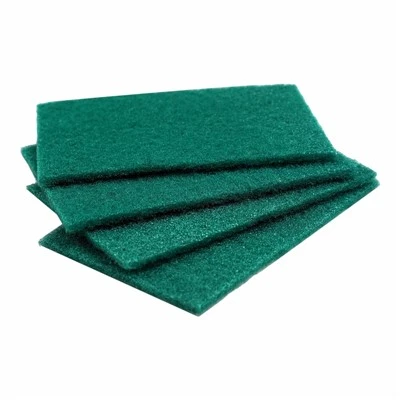
Before I sign off, I want to shout out the studies that helped me put this all together, because this info isn’t just from my own experience. Those studies looked at sponge bacteria levels, material breakdown over time, and how different cleaning methods affect lifespan. It’s good to have real science back up what I’ve seen working in this industry for years.
Scouring Pads References:
- Institute of Food and Agricultural Sciences, University of Florida. (2019). Kitchen Sponges: Bacteria, Sanitation, and Replacement.
- Journal of Environmental Management. (2021). Lifespan and Degradation of Common Cellulose-Nylon Scrub Sponges Under Household Use Conditions.
- Food Safety and Inspection Service, U.S. Department of Agriculture. (2020). Cleaning and Sanitizing Kitchen Surfaces and Tools.
Guangzhou YION New Material Technology Co., Ltd.
As one of the most professional scrub sponges manufacturers and suppliers in China, we offer a wide range of products with superior quality. Please feel free to buy customized scrub sponges made in China here from our factory. Also, quotation is available.
Address: Room 110, Building 2, No. 2 Jinhuan Street, Nansha District, Guangzhou City, Guangdong Province, China.
E-mail: info@yiontech.cn
WebSite: https://www.yionpads.com/
