Hey everyone, and thanks for stopping by my little corner of the textile world. I run a small but tight-knit 3/1 twill weave supply business, and I get this question ALL the time: “Can 3/1 twill actually be used for clothing?” Most people only picture it on work pants, heavy duty bags, or those industrial tarps you see at construction sites. But here’s the tea—this weave is way more versatile than folks give it credit for. I’ve spent years testing it, chatting with designers, and even messing around with sample garments in my spare time, and today I’m breaking down exactly why 3/1 twill is a total underrated gem for clothing, plus what you need to know before working with it. 3 1 Twill Weave
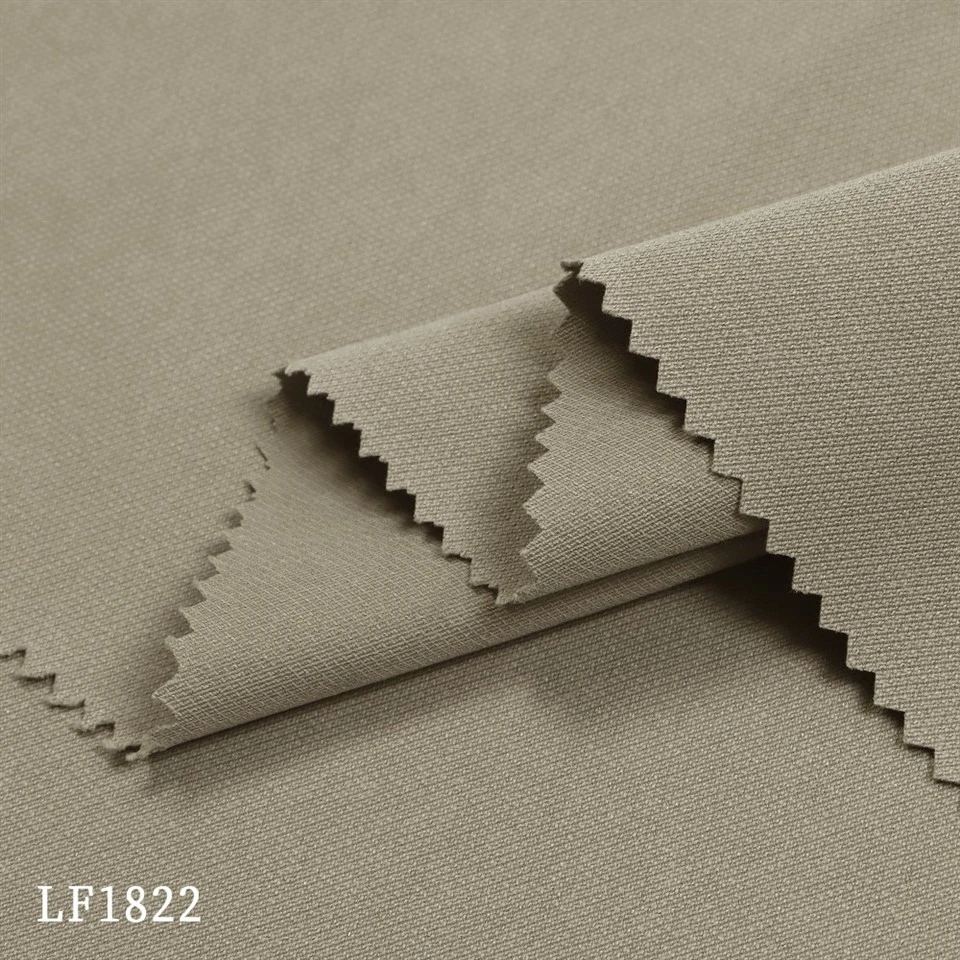
First, let’s keep this simple. If you know a little about weaving basics, great, but if not, I’ll dumb it down without making it sound like a textbook. A weave is just how the vertical and horizontal threads crisscross over and under each other. For 3/1 twill, that means we take three horizontal weft threads, then go under one vertical warp thread, repeating that over and over. That crisscross creates that distinct diagonal line you see on jeans, chinos, and yeah—you guessed it, lots of workwear. The key here is how that crisscross hits the fabric’s properties. It’s heavier than plain weave, softer than sateen, and has that subtle texture that makes it stand out without being over the top.
Now, let’s get to the big question: clothing. I used to be skeptical too. When I started my supply business, I only sold to workwear brands because that’s what I knew best. Then a small indie designer hit me up last year, begging for 3/1 twill for a line of casual blazers. I almost said no—told her it’s too stiff, too bulky, not right for clothing. She sent me a sample of a tweed blazer she’d modified by lining it with lightweight cotton, and I ate my words. That blazer held its shape, didn’t crease like crazy, and breathed way better than the 100% polyester blazers everyone was making back then. That’s when I realized I’d been sleeping on this weave for garments beyond work pants.
Let’s talk about the perks that make it actually good for clothing, not just “okay.” First, durability. 3/1 twill is way more resistant to abrasion than plain weave, which is why construction workers love it for their jackets. But that same toughness works for regular clothing too. Think about jeans—most jeans are a type of twill, right? Wait, actually, a lot of denim is 3/1 twill! Yeah, that classic diagonal stretch you see on jeans? That’s 3/1. The weave doesn’t fray easily, so it holds up to years of washing, rubbing against desks, backpack straps, whatever. I have a pair of 3/1 twill cargo pants I’ve had for 5 years that I wear to my shop every day, and they still look almost new. No holes in the knees, no faded weird patches, no pilling like some cotton shirts I’ve had. That’s a huge win for clothing that needs to last, not be thrown away after two seasons.
Next, the texture and drape. Wait, drape is big for clothing, right? No one wants a fabric that stands up like a cardboard box. But 3/1 twill has this perfect balance of structure and softness—if you use the right yarn weight, anyway. I supply different weights, and that’s a key point a lot of people miss. If you take a heavy 12-ounce 3/1 twill, that’s work pants or a utility jacket territory. But if you go down to a 6- or 8-ounce weight, using combed cotton or even a soft blend like cotton-poly, that’s game changing. I had a designer make a line of linen-blend 3/1 twill shirts that sold out in 2 weeks. The weave adds a subtle, textured look that’s not too flashy—great for casual button-downs, chambray shirts, even lightweight dresses. The diagonal lines catch the light just enough to make the fabric look more expensive than it is, and it doesn’t have that flat, boring look of plain weave cotton.
Breathability is another thing I see people argue about with heavy twills, but it’s true. Because the crisscross pattern isn’t as tight as plain weave, there are tiny little gaps between the threads that let air circulate. I’ve worn my lightweight 3/1 twill shirt on 90-degree summer days, and it didn’t make me sweat nearly as much as a heavy denim shirt. The tradeoff? It’s not as breathable as something like linen, but if you’re wearing a shirt or pants with a little give, it’s totally fine for mild to warm weather. And in the winter, it’s warm enough without being bulky—perfect for layering under blazers or leather jackets.
Now, let’s be real, it’s not all sunshine and roses. 3/1 twill has some downsides that you have to work around, otherwise you’ll end up with a garment that’s not wearable. First up: creasing. Because of the tight weave, it does crease more than, say, a jersey or even a plain weave cotton. But here’s the fix—you just need to treat it right. If you use a yarn blend with a little spandex or polyester, it has a little stretch that helps smooth out wrinkles. Or, when you sew with it, make sure you pre-wash and pre-shrink the fabric first. I can’t tell you how many times designers have brought me a sample that shrank 2 inches after the first wash because they skipped that step. Also, lightweight 3/1 twill tends to wrinkle less than heavy, so if you’re making dresses or button-downs, go for the 6 or 8 ounce weight instead of 12.
Another thing: sewing can be a pain. That tough weave means it’s not as easy to pierce with a needle as plain cotton. But that’s not a reason to avoid it—it’s just a reason to adjust your supplies. I recommend using a sharp jeans needle (size 14 or 16) instead of a regular cotton needle, and maybe a walking foot on your sewing machine so the fabric doesn’t shift while you’re stitching. I had a customer last year who tried sewing 3/1 twill with a regular needle and broke three before she figured it out. Once she switched, her seams were perfect, no skipped stitches or snags. It’s just a small adjustment, not a dealbreaker.
Now, let’s talk about actual examples of clothing made with 3/1 twill, so you can picture it. First, obviously, jeans. Most raw denim is 3/1 twill, that deep blue diagonal you see is exactly that. Then there’s chinos—wait, a lot of chinos are 2/1 twill, but 3/1 is making a comeback in casual chinos because it’s more durable. Utility jackets, too—my best-selling 3/1 twill is the 10-ounce weight, which is perfect for those field jackets, chore coats, even lightweight denim jackets. I’ve also had designers make cargo shorts (surprisingly, the texture is great for that), casual blazers, and even a line of high-waisted pants that were super popular for fall 2022. And don’t sleep on kids’ clothing—3/1 twill doesn’t rip easily, so it’s perfect for overalls, jacket, play pants that can handle all the running around.
Wait, what about more formal clothing? Can you use 3/1 twill for blouses or even dress pants? Yeah, if you pick the right yarn. I worked with a tailor who made dress pants out of a 8-ounce 3/1 twill blend with 2% spandex. It looked sharp, held its shape, and didn’t wrinkle like traditional wool suiting. It’s not as fancy as silk or high-end wool, but it’s way more affordable and way more durable for everyday wear. That’s the cool thing about 3/1 twill—it bridges the gap between casual workwear and more polished, everyday clothing.
Let me also touch on sustainability, because that’s a huge topic right now. A lot of my customers care about where their fabric comes from, and 3/1 twill is actually pretty eco-friendly if you choose the right fibers. If you use organic cotton, it’s a natural fabric that’s biodegradable, and since it’s so durable, it doesn’t end up in landfills as fast as fast fashion fabrics. I supply a lot of organic cotton 3/1 twill, and a number of my clients make capsule wardrobes with it—pieces that last years, not months. That’s way better for the planet than something you wear once and toss.
Now, let’s get into what I offer as a supplier, because that’s the practical part for anyone who wants to test this weave. I don’t just sell bulk rolls of heavy 3/1 twill for workwear. I have a range of weights: 6 oz (light, great for shirts and dresses), 8 oz (medium, perfect for blouses, chinos, and light jackets), 10 oz (standard workwear, utility jackets, jeans), and 12 oz (heavy, for tough pants, work coats). I also do blends—cotton-poly for added softness, organic cotton for sustainable lines, even a little spandex blend for stretchy pants that don’t feel stiff. I offer swatches for anyone who wants to test the fabric before ordering a big run, because I know ordering a whole roll is a big deal. No one wants to waste money on fabric that doesn’t drape right for their design.
I’ve also got a little blog on my website (the one I’m writing this on, basically) that has sewing tips specific to 3/1 twill—needle sizes, how to pre-wash, patterns that work best. Last month, I posted a guide to sewing a pair of basic chinos with my 8 oz twill, and I got 50+ messages from designers saying they tried it and loved the results. One person even made a line of pet coats out of it—said it’s tough enough for dogs to run through bushes, but soft enough not to irritate their skin. That’s the thing about this fabric—people get creative with it, and I love seeing that.
Wait, let’s address the elephant in the room: is it as good as other fabrics? No, it’s not. It’s not as soft as jersey, not as breathable as linen, not as fancy as silk. But it’s a middle ground that fills a gap so many people miss. A lot of clothing is either too flimsy and falls apart, or too stiff and uncomfortable. 3/1 twill hits that sweet spot. It has structure to make clothing look intentional, durability to last, and enough texture to be interesting without being over the top. That’s why it’s been around for centuries, honestly—this weave dates back to ancient Egypt, for crying out loud. People didn’t make workwear out of it back then, they made tunics and cloaks, because they knew it was versatile.
I’ve had designers tell me they switched to 3/1 twill after working with other fabrics, and their sales went up because the pieces hold their shape and last longer. One indie brand I work with said their twill cargo pants have a 4.8 star rating on their site, and customers comment all the time that they “look good and feel like they’ll never tear.” That’s the kind of feedback that makes me love doing this. I’m not just selling fabric— I’m giving people a material that helps them make clothes that people actually want to keep wearing.
Now, if you’re thinking about using 3/1 twill for clothing, here’s my quick checklist to make sure it works for your project:
- Pick the right weight: 6 oz for shirts/dresses, 8 oz for chinos/blouses, 10+ oz for jeans/utility jackets.
- Pre-wash the fabric first—skip this and you’ll have shrinkage issues, I promise.
- Get the right sewing tools: sharp jeans needle, walking foot, maybe a teflon presser foot to prevent snags.
- Test the drape: ask your supplier for a swatch, or grab a scrap to hold up and see how it falls. If it stands too straight, go for a lighter weight or a blend with a little stretch.
I know a lot of people sleep on 3/1 twill because they associate it with workwear, but that’s a mistake. It’s a workhorse fabric that’s perfect for everyday clothing, for designers who want pieces that last, for people who don’t want to buy new clothes every year. I’ve seen it used for everything from prom dresses (yes, really— a designer used a lightweight white twill for a simple, structured prom gown) to winter coats, and it works every time.
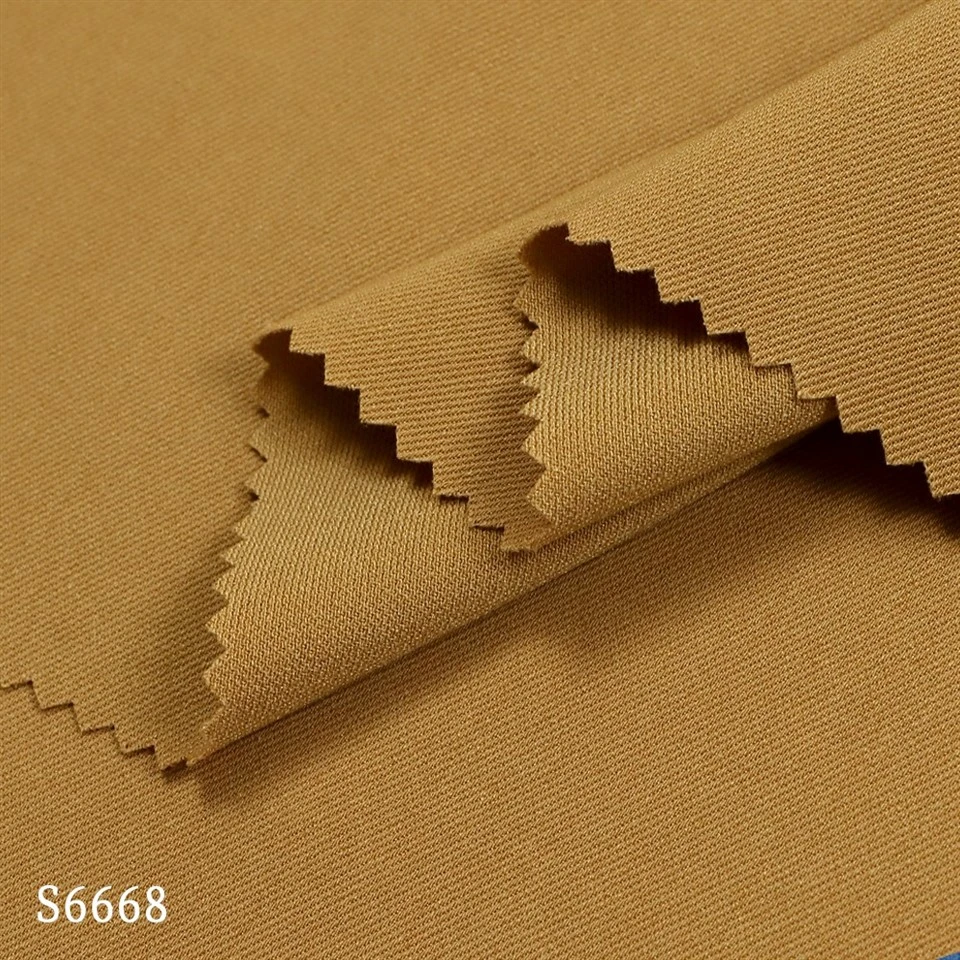
If you’re a designer, a small brand owner, or even a hobbyist sewist who wants to test 3/1 twill for your next project, hit me up. I can send free swatches, answer questions about weights or blends, and work with you to get the right amount of fabric for your run. I don’t do bulk minimums for small orders, and I’m happy to adjust orders if you need a little extra or less than what’s listed on my site. This is a collaborative thing, not just a transaction. I started this business because I love textiles, not because I wanted to be a stuffy supplier, so don’t be afraid to reach out with questions, weird ideas, or whatever you need.
2 2 Twill Weave At the end of the day, fabric is all about what you do with it. 3/1 twill has been around for thousands of years, and it’s still popular because it works. It’s not a flashy trend, it’s a reliable, versatile material that makes great clothing. So next time you’re picking fabric for your next line, don’t sleep on the diagonal twill rolls. They might just be the game-changer you’ve been looking for.
References
- Collier, B., & Tortora, P. G. (2018). Understanding Textiles (8th ed.). Pearson.
- Hunter, L. (2021). Textile Weaves: A Practical Guide for Designers. Bloomsbury Visual Arts.
- Miller, S. (2022). Sustainable Fabrics for Modern Apparel. Fairchild Books.
- Textile Institute. (2020). Weave Structures: Properties and Applications. Woodhead Publishing.
Shaoxing Huichao Textile Co., Ltd.
As one of the most professional 3 1 twill weave manufacturers and suppliers in China, we offer a wide range of products with superior quality. Please feel free to wholesale bulk high-end 3 1 twill weave in stock here from our factory. Good service and reasonable price are available.
Address:
E-mail: darrenzhong@huichaotextile.com
WebSite: https://www.huichao-textile.com/
