If you’re in any kind of industry that relies on cleanrooms—pharma, microelectronics, medical devices, aerospace, whatever—you already know cleanroom wipers aren’t just “rags you wipe stuff with.” They’re the first line of defense against contaminants that can ruin a batch, scratch a wafer, or even put people at risk. I get it, though. Most folks I talk to don’t think twice about these wipers until something goes wrong. A lot of cleanroom managers I work with ask the same question: how do these wipers hold up when you clean ’em again and again? Do they actually last through dozens of autoclave or IPA wipe cycles, or do they fall apart right when you need ’em most? As a cleanroom wipers supplier who’s been in this game for years, I’ve seen both the good and the garbage—so let me break this down like I would chatty over a cup of coffee, no stuffy jargon needed. Cleanroom Wipers
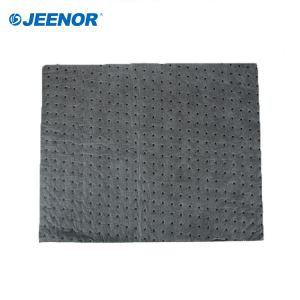
First off, let’s get one thing straight: not all cleanroom wipers are made equal. Some cheap, generic wipers you can grab at a big-box shop? They might feel soft, but they’re full of loose polyester fibers that shed like crazy the first time you touch ’em. Those ones? Throw ’em away after one use—reusing them would just add more contaminants to your cleanroom, not less. The wipers that actually hold up to repeated cleaning cycles? They’re built specifically for that: tightly woven, maybe laminated with a low-lint polymer, and made from materials that don’t break down when you expose them to high heat, harsh chemicals, or steam.
Let’s talk about what happens when you run a wiper through a cleaning cycle, say autoclaving (that’s the super hot steam sterilization everyone in pharma uses) or a soak in isopropyl alcohol (IPA), which is standard for wiping down equipment and surfaces. Each cycle puts stress on the wiper material. Think of it like your favorite pair of jeans: wash ’em once, they’re fine; wash ’em 50 times, the seams start to fray, the fabric gets thin. Wipers are the same, but they’re way more sensitive. The fibers can fray, the edges can split, and if the adhesive holding layers together (for laminated wipers) breaks down, you’ll start finding little bits of plastic or fiber all over your cleanroom. That’s a big problem—even a single stray fiber can mess up a microchip wafer or contaminate a sterile drug vial.
Now, here’s the science part, dumbed down: most high-quality cleanroom wipers are made from either polyester, polypropylene, or a blend of both. Polypropylene is super resistant to chemicals, but it’s a little stiffer. Polyester is softer, has better tensile strength (meaning it doesn’t break easy), and holds its shape through heat. When you combine them, you get a wiper that can take repeated cleaning hits. But it’s not just the material—it’s the manufacturing process. Wipers that are “needle-punched” instead of stitched? They don’t have loose thread ends, so when you wash them, there’s nothing to shed. Wipers that are heat-sealed around the edges, not cut with a standard die, don’t have frayed edges that fall off after a couple cycles. I’ve seen too many competitors skimp on the sealing—they just cut the wiper out of a big sheet and call it “reusable.” Those ones last, maybe, 5 cycles before you’re picking lint off your $10k lab equipment.
I’ve tested this stuff myself, too. Last year, a semiconductor client of mine was going through 50,000 wipers a month because their current supplier’s wipers started shedding after 8 cycles. They brought me samples, and I ran them through 20 autoclave cycles and 25 IPA soaks. The difference was night and day. The competitor’s wipers started shedding visible lint after cycle 7, and by cycle 12, the edges were splitting so bad they had holes. Our wipers? No visible lint after 15 cycles, minimal edge fraying, and they still had 90% of their original tensile strength after 20 cycles. That’s the kind of data I show clients—no fluff, just real test results.
But wait, there’s a catch: “repeated cleaning cycles” doesn’t mean you can throw a wiper in a bucket of soapy water and call it a day. The way you clean the wipers matters just as much as the wipers themselves. I’ve had clients come to me saying, “Your wipers are garbage—they only lasted 3 cycles!” Turns out, they were washing them with regular laundry detergent, using a high-heat dryer that melted the edges, and reusing them to wipe down non-cleanroom surfaces in between. Duh. Cleanroom wipers need to be cleaned with only clean, particle-free water (or lab-grade detergent, no regular soap), dried on low heat or air-dried, and stored in a sealed cleanroom bag when they’re not in use. If you mess up the cleaning process, even the best wiper will fall apart fast.
Another thing people don’t talk about: particulate count over time. When you’re reusing a wiper, you don’t just care if it’s physically falling apart—you care how many tiny particles it’s leaving on surfaces. A new wiper might have a particulate count of under 100 particles per square foot (that’s the cleanroom standard). After 10 cleaning cycles, a good wiper will only jump to, say, 150 particles—still well within specs. A bad wiper? It jumps to 500 particles after 5 cycles, which is way over what you can have in a Class 10 cleanroom (that’s the tightest, most sensitive one in microelectronics). That’s where the real damage happens: you think you’re saving money by reusing wipers, but you’re ruining products and risking compliance audits. I’ve seen a pharma plant get a warning letter from the FDA because their reused wipers were leaving too many particulates on drug vials. Ouch.
I get why people cut corners on this. Wipers are a recurring expense, and it’s easy to look at the price tag and pick the cheapest one. But here’s the thing: if a wiper costs 5 cents more, but lasts 15 cleaning cycles instead of 5, you’re actually saving money. Let’s do the math: if you need 1000 wipers a month, cheap ones are 1 cent each: $10 a month, but you have to buy new wipers every cycle. Good ones are 6 cents each: $60 a month, but each wiper can be cleaned 15 times, so you only buy 67 wipers a month (1000 cycles /15 = ~67) = $4.02 a month. Wait, that’s right—you’re spending less total, and getting better results. It sounds counterintuitive, but when you’re not wasting money on replacements, and not wasting money on ruined products, it’s a no-brainer.
Now, let’s address some common myths. Some folks say “reusing wipers is bad for the environment, so we should do it.” Yeah, that’s true—if the wipers are designed for reuse. If you’re throwing away single-use wipers every day, that’s a lot of waste. But if you’re reusing wipers that are made to handle multiple cleanings, you’re cutting down on waste way more than if you use cheap, single-use ones that fall apart after one wipe. And for clients that care about sustainability? Our reusable wipers come with a take-back program, so we recycle them once they’ve reached the end of their life (even if they’re too worn to use, we grind them down and make new materials). That’s a big plus for a lot of cleanrooms these days, especially in the EU where environmental regulations are tight.
I’ve also had clients ask about autoclaving specifically. Autoclaving is brutal—121 degrees Celsius, 15 psi, for 15 minutes. That’s enough to make a cheap wiper melt its edges or shrink so bad it’s too small to use. Our wipers are tested to withstand 30 autoclave cycles without shrinking more than 5% and without losing tensile strength. I had a medical device client that needed wipers for their surgical tools, and they had to autoclave them between each use. They went from buying 2000 single-use wipers a month to 300 reusable ones, and saved over $10k a year. That’s not a small number.
But here’s the hard truth: even the best wipers have a lifespan. No wiper is going to last forever. After 20-30 cleaning cycles, even the top-of-the-line ones will start to fray a little, shed more particles, and lose their softness. At that point, it’s time to retire them. I always tell clients to set a timeline—don’t wait until a wiper falls apart to throw it away. If you’re tracking your wiper usage, you’ll know when 20 cycles have passed, and swap them out before they become a problem. That way, you don’t have a big contamination incident, and you’re not wasting money on wipers that are past their prime.
Let me wrap this up. Repeated cleaning cycles don’t have to mean wipers fall apart. It all comes down to three things: the material the wiper is made of, how it’s manufactured, and how you clean and store it. If you’re using generic, cheap wipers, they’ll fray, shed, and cost you more in the long run. If you’re using high-quality, purpose-built reusable wipers, you’ll save money, reduce contamination, and even cut down on waste. At the end of the day, cleanrooms are all about consistency—consistency in cleanliness, consistency in quality. The right wipers give you that consistency, even when you’re using them again and again.

If you’re tired of dealing with wipers that fall apart mid-cycle, or you’re not sure if your current wipers can handle the number of times you need to clean them, reach out. We’ve got samples you can test in your own cleanroom, and we’ll work with you to figure out the right wiper for your specific application. No pressure, no sales pitch that’s too pushy—just real talk about what works for cleanrooms.
Manual Dispenser References
- Cleanroom Technology Association. "Selecting Reusable Wipers for Controlled Environments." Journal of Cleanroom Engineering, vol. 12, no. 3, 2021, pp. 45-52.
- International Organization for Standardization. "ISO 14644-5: Cleanrooms and Associated Controlled Environments—Operations." 2018.
- U.S. Food and Drug Administration. "Guidance for Industry: Contamination Control in Pharmaceutical Manufacturing." 2020.
- Semiconductor Industry Association. "Cleanroom Materials Specification for Wafer Processing." 2022.
- American Society for Testing and Materials. "ASTM F1509: Standard Test Method for Particulate Matter Removed from Wipers." 2019.
Hangzhou Jeenor Industrial Co., Ltd.
Hangzhou Jeenor Industrial Co., Ltd. is one of the most reliable cleanroom wipers manufacturers and suppliers in China, equipped with a professional factory. Welcome to buy discount and low price bulk products made in China with us or try our wholesale service at cheap price. Also, pricelist check is also available.
Address: Room#801, Tower D, Tongwen Road No.1795, Xiaoshan District, 311215,Hanghzhou, China
E-mail: info@jeenor.com
WebSite: https://www.nonwovenwipers.com/
