Hey there, if you’re in the market for an auger crane—whether you’re digging post holes for a farm fence, installing foundation piers for a new building, or even clearing clogged drainage ditches—you already know these machines are total workhorses. But let’s be real: auger cranes aren’t like your average lawn mower. They’re powerful, have moving parts that can grab hold of loose clothing or limbs in a split second, and working around heavy equipment always comes with risks. As someone who supplies these bad boys (no need for a fancy brand name here), I’ve seen way too many close calls and even some preventable accidents over the years. That’s why I’m breaking down the actual, actionable safety precautions you need to follow to keep your crew safe and your job on track. No stuffy OSHA jargon, just straight talk that works for anyone operating an auger crane—from a small farm hand to a general contractor. Auger Crane

First things first: before you even turn the key or start the engine, do a pre-operation check. This isn’t just a “quick look around” thing; it’s non-negotiable. I can’t tell you how many times a client has called me panicking because their auger crane quit mid-dig, only to find out they skipped checking the hydraulic fluid levels. Wait, hydraulic fluid is basically the blood of the machine, right? If it’s low, the auger won’t spin right, and that’s a recipe for the thing lurching unexpectedly. Let’s list the exact checks I make every single time, even if I’m renting a crane for a one-off job: walk the entire unit top to bottom. Look for frayed hydraulic hoses—those can burst mid-use and knock someone over fast. Check the auger blade for nicks or bends; a warped blade will bounce around, throw dirt everywhere, and could break off during operation. Don’t forget to inspect the crane’s boom for any cracks or bent sections, especially if it’s an older model I supplied a few years back. Also, test all the safety features: the emergency stop button (make sure it actually cuts power, not just lights up), the load limit alarm, and the outriggers. Outriggers are super important—if you don’t extend them fully and level the crane, it can tip over, and that’s not a pretty sight. I once had a client who tried skipping outriggers on a sloped driveway; the crane tilted, the auger dug into the ground unevenly, and they totaled the auger head before even finishing the first hole. Save yourself the hassle: if the ground is soft, lay down metal plates or plywood under the outriggers to distribute the weight. No exceptions.
Next up: training. Let’s get this out in the open—you can’t just hand someone the keys and say “go dig a hole.” I’ve had clients hire part-time guys who’ve never touched an auger crane before, and within an hour, they’d wrapped a loose shirt sleeve around the auger shaft. Ouch. All operators need formal, hands-on training that covers not just how to start the machine, but how to read the load charts, avoid overhead power lines, and react if something goes wrong. Even if your crew member is “good with machinery,” auger cranes have specific quirks. For example, the auger’s torque is way higher than a regular power drill; if the bit hits a rock, it can whip around and slam into the operator if they’re holding the control stick too tightly. Also, training should include recognizing when the machine is at its limit—if the load alarm starts beeping, stop immediately. Most new auger cranes I supply come with built-in load limiters, but people still ignore them because they want to speed up the job. Pro tip: if the alarm goes off, you’re already over the safe weight. Slow down, adjust the position, or remove some of the load. Rushing leads to accidents, period.
Now, the stuff that happens when you’re actually on the job site. Personal protective equipment (PPE) isn’t just a suggestion—it’s non-negotiable. I see guys showing up in flip-flops and hoodies all the time, and that’s a red flag. Hard hats are a must; loose dirt or a falling bolt can hit your head from 10 feet up. Steel-toe boots? Not just for construction—auger cranes drop heavy bits, and a steel toe can save you from a broken foot. Gloves: work gloves, not those fancy leather fashion ones. Make sure they’re snug, not loose—loose gloves can catch on the auger shaft faster than you can blink. Eye protection too; when the auger is spinning, it throws small rocks and dirt, and one of those in your eye can end a job (or worse) right there. And no loose clothing—we’re talking baggy hoodies, dangly jewelry, even long hair. I always tell crews to tie long hair back with a tight band, not just a hair tie that can slip. One client’s guy had his hair get caught in the auger last year; he was lucky he only pulled out a chunk of hair, but it could’ve been his scalp. That’s the kind of thing you don’t want to live through, so take PPE seriously.
Overhead power lines are another huge risk that people sleep on. Last year, I was at a job where a contractor tried to dig a post hole 20 feet from a power line, and the auger boom touched the lines—fried the crane’s electronics, and almost took out two crew members. How close is too close? OSHA says for lines under 50kV, you need to stay at least 10 feet away, and for higher voltages, more. I know it’s tempting to “just angle the boom a little” to get the hole closer, but that 1-foot difference can mean the difference between a near miss and a trip to the hospital. Before you even start digging, call your local power company to mark where the lines are—most places have a free service, and it takes 10 minutes. Don’t rely on your phone’s GPS, because lines can be hidden underground or in trees. Also, keep an eye on the weather: if there’s a thunderstorm coming, stop work immediately. Lightning can strike the crane, and wet ground makes it easier for electricity to travel. I’ve seen crews push through a storm to finish a job, and that’s just not worth it.
When you’re operating the auger itself, there are specific rules to follow. Never stand in the swing radius of the auger or the crane boom. The swing radius is the area where the boom can move—if you’re inside that, even if you’re just holding a tape measure, the boom can hit you without you realizing it. Assign a spotter if the job site has obstacles (like trees, fences, or other equipment) that the operator can’t see. The spotter’s only job is to watch for hazards and signal the operator—no holding tools or chatting. Also, when lowering the auger into the ground, don’t let it drop free. The operator should use the hydraulic controls to lower it slowly, so it doesn’t slam into the dirt and create a sudden jolt that can tip the crane. When you’re pulling the auger out, wait until it’s completely out of the ground before turning off the auger. If you turn it off while it’s still buried, the dirt can lock the auger shaft, and when you try to pull it out, it will lurch forward. I’ve had clients who forgot that, and the auger came flying out, hitting a truck parked 15 feet away. Oops.
What about maintenance? A lot of people think “if it runs, it’s good,” but regular maintenance prevents 90% of accidents. I tell all my clients to do a daily check as I mentioned before, plus a monthly deep dive. That means changing the hydraulic fluid every 50 hours of use, greasing the auger shaft joints to prevent friction, and checking the tire pressure if you have a wheeled auger crane. If you notice a weird noise (like a grinding sound when you spin the auger) or a leak, don’t ignore it. Bring it to a mechanic or the supplier—don’t try to fix it yourself if you don’t know what you’re doing. Last month, a guy tried to fix a hydraulic leak on his auger crane and spilled fluid all over the ground, then forgot to tighten the hose, which burst during operation. Cost him $2,000 in equipment damage and a day of work. That’s avoidable. Also, store the auger crane properly when you’re not using it. Park it on level ground, lower the auger to the ground, turn off the engine, and engage the parking brake. If you store it outside, cover it to protect the hydraulic hoses and electrical parts from rain or sun damage.
Let’s not forget about the job site itself. It might seem obvious, but a messy job site is a dangerous one. Keep the area around the crane clear of debris, tools, and loose dirt. If the ground is uneven, level it as much as possible before setting up the outriggers. Also, make sure there are no tripping hazards for the operators or spotters—no extension cords lying around, no stacked lumber. If you’re working on a slope, the maximum angle you should operate an auger crane on is 15 degrees, tops. If it’s steeper than that, either level the ground or don’t use the crane—use a hand auger instead. I know it’s slower, but it’s way safer than tipping the crane.
Now, let’s talk about common mistakes I see all the time. One big one is operating the auger crane alone. You should never work alone, especially on a job site. If something goes wrong (like the crane tips, or someone gets caught in the auger), having a second person there to call for help is critical. Another mistake is modifying the auger crane without the supplier’s approval. Some guys swap out a bigger auger bit because it digs faster, but that increases the load on the crane’s boom and hydraulic system, which can lead to failure. I get it—you want to be efficient, but modifying equipment is a surefire way to void your warranty and create safety risks. Stick to the parts that are designed for your specific crane model.
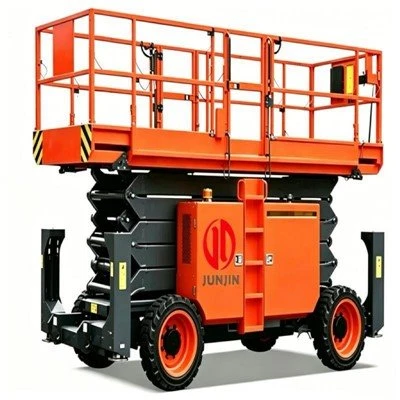
If you’ve made it this far, you probably already have an auger crane, or you’re thinking about getting one. If you’re in the market for a reliable auger crane that’s been built with safety in mind, or if you have questions about maintaining the one you already have, reach out to connect for a chat. Whether you’re a small farm owner needing a machine for fence posts or a general contractor working on a big construction project, I’m here to help you get the right equipment and make sure you and your crew stay safe on every job. Don’t take shortcuts when it comes to safety—it’s way better to finish a job on time and go home at the end of the day than to cut a corner and regret it.
Used Scissor Lift References
- Occupational Safety and Health Administration (OSHA). (2022). Safety and Health Regulations for Construction: Powered Industrial Trucks, Cranes, and Hoists.
- American National Standards Institute (ANSI). (2021). Safety Standard for Auger Cranes for Construction and Agricultural Use.
- National Agricultural Safety Database (NASD). (2020). Safe Operation of Agricultural Auger Equipment.
Yantai Quanrui International Trading Co., Ltd.
As one of the most reliable auger crane manufacturers and suppliers in China, we’re featured by high quality customized products. Please rest assured to buy discount auger crane made in China here from our factory. Contact us for pricelist and quotation.
Address: No. 278, Sanya Road, Gaotuan Town, Fushan District, Yantai City, Shandong Province, China
E-mail: Info@quanjin1588.com
WebSite: https://www.qr1588.com/
