Calibrating a rolling shutter machine is a crucial process that ensures its optimal performance, longevity, and the quality of the rolling shutters it produces. As a supplier of rolling shutter machines, I understand the significance of getting this calibration right. In this blog, I’ll walk you through the step – by – step process of calibrating a rolling shutter machine, sharing insights based on years of industry experience. Rolling Shutter Machine

Understanding the Basics of a Rolling Shutter Machine
Before we dive into the calibration process, it’s essential to understand how a rolling shutter machine works. A rolling shutter machine is typically composed of several key components, including the decoiler, the roll – forming section, the cutter, and the control system. The decoiler feeds the raw material, usually a metal coil, into the roll – forming section. Here, a series of rollers gradually shape the material into the desired cross – section of the rolling shutter slat. Finally, the cutter precisely cuts the formed slats to the required length.
Each of these components must be calibrated correctly for the machine to operate efficiently. Any misalignment or incorrect setting can lead to issues such as uneven slat profiles, inaccurate cutting lengths, and increased wear and tear on the machine.
Pre – calibration Checks
Before starting the calibration process, it’s important to conduct a series of pre – calibration checks. These checks help identify any potential issues that could affect the calibration process and ensure the safety of the operator.
Visual Inspection
Begin with a thorough visual inspection of the machine. Check for any signs of damage, such as cracks in the frame, loose bolts, or worn – out parts. Pay special attention to the rollers in the roll – forming section, as any damage or wear can directly impact the quality of the formed slats. Inspect the cutter blade for sharpness and signs of damage, as a dull or damaged blade can result in rough cuts and uneven slat lengths.
Lubrication
Ensure that all moving parts of the machine are properly lubricated. This includes the rollers, bearings, and chains. Lubrication reduces friction, which not only improves the performance of the machine but also extends its lifespan. Refer to the machine’s manual for the recommended lubricants and lubrication intervals.
Power Supply
Verify that the machine is connected to a stable power supply. Fluctuations in power can cause inconsistent operation and affect the calibration of the machine. Check the voltage and current levels to ensure they are within the specifications of the machine.
Calibrating the Decoiler
The decoiler is responsible for feeding the raw material into the roll – forming section at a consistent speed and tension. Incorrect decoiler calibration can lead to issues such as material wrinkling, uneven feeding, and reduced slat quality.
Tension Adjustment
The first step in calibrating the decoiler is to adjust the tension of the coils. Too much tension can cause the material to stretch or break, while too little tension can result in loose material and inconsistent feeding. Most decoilers are equipped with tension adjustment mechanisms, such as brake systems or clutch controls. Start by setting the tension to a moderate level and gradually increase or decrease it based on the behavior of the material during feeding. You can test the tension by pulling the material manually and observing its response.
Speed Synchronization
The speed of the decoiler should be synchronized with the speed of the roll – forming section. If the decoiler feeds the material too quickly or too slowly, it can disrupt the roll – forming process. Modern rolling shutter machines often have speed control systems that allow for easy synchronization. Use these controls to match the decoiler speed with the roll – forming speed, and make small adjustments as needed during the production process.
Calibrating the Roll – forming Section
The roll – forming section is the heart of the rolling shutter machine, as it shapes the raw material into the desired slat profile. Proper calibration of this section is crucial for producing high – quality rolling shutters.
Roller Alignment
The alignment of the rollers in the roll – forming section is of utmost importance. Misaligned rollers can cause the material to bend or twist, resulting in an uneven slat profile. To check the roller alignment, use a straightedge or a laser alignment tool. Place the tool along the length of the rollers and check for any gaps or misalignments. If misalignment is detected, adjust the roller positions using the adjustment bolts provided. Make small adjustments and re – check the alignment until it is within the acceptable tolerance.
Roller Pressure
The pressure applied by the rollers on the material also affects the quality of the formed slats. Too much pressure can cause the material to deform or crack, while too little pressure may result in an incomplete or uneven profile. Most roll – forming machines allow for the adjustment of roller pressure. Start with a moderate pressure setting and gradually increase or decrease it while observing the formation of the slats. Make sure the pressure is evenly distributed across all the rollers.
Calibrating the Cutter
The cutter is responsible for cutting the formed slats to the desired length. Accurate cutting is essential for ensuring the proper fit and installation of the rolling shutters.
Cutting Length Adjustment
To calibrate the cutting length, first, determine the required length of the slats according to the customer’s specifications. Most rolling shutter machines have a length adjustment mechanism, which can be either mechanical or electronic. For mechanical systems, adjust the position of the cutting blade or the length – measuring device. For electronic systems, use the control panel to input the desired cutting length. After making the adjustments, test the cutting process by producing a few sample slats and measuring their lengths using a measuring tape or a caliper. Make any necessary fine – tuning until the cutting length is accurate.
Blade Sharpness and Alignment
A sharp and properly aligned cutter blade is crucial for clean and accurate cuts. Check the sharpness of the blade regularly and replace it if it shows signs of wear or dullness. To ensure proper alignment, use a precision alignment tool or follow the manufacturer’s instructions. Misaligned blades can cause rough cuts, uneven edges, and premature blade wear.
Calibrating the Control System
The control system of the rolling shutter machine regulates the operation of all its components. It is responsible for controlling the speed, timing, and other parameters of the machine.
Parameter Setting
Refer to the machine’s manual to set the appropriate parameters for the control system. These parameters may include the decoiler speed, roll – forming speed, cutting length, and the number of slats to be produced. Make sure to input the correct values based on the requirements of the production job.
Sensor Calibration
Many rolling shutter machines are equipped with sensors that detect the position and movement of the material. These sensors play a crucial role in ensuring the accurate operation of the machine. Calibrate the sensors according to the manufacturer’s instructions to ensure they are functioning correctly. Incorrect sensor calibration can lead to issues such as misfeeding, inaccurate cutting, and machine malfunctions.
Post – calibration Testing
After completing the calibration process, it’s important to conduct a series of post – calibration tests to verify the performance of the machine.
Sample Production
Produce a batch of sample slats and carefully inspect them for quality. Check the slat profile for uniformity, the cutting length for accuracy, and the edges for smoothness. If any issues are detected, go back to the relevant calibration steps and make further adjustments.
Long – term Testing
Run the machine continuously for a few hours to simulate a real – world production environment. Monitor the machine’s performance during this time, checking for any signs of overheating, abnormal noise, or inconsistent operation. If any problems occur, stop the machine immediately and troubleshoot the issue.
Conclusion
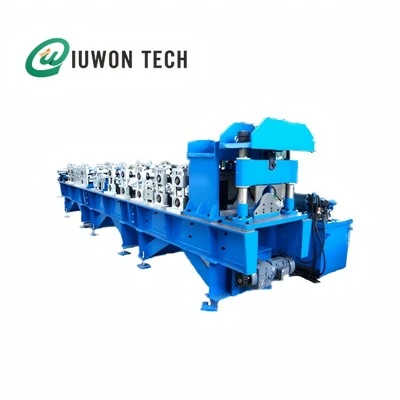
Calibrating a rolling shutter machine is a complex but essential process that requires attention to detail and a good understanding of the machine’s components. By following the steps outlined in this blog, you can ensure that your rolling shutter machine operates at its best, producing high – quality rolling shutters efficiently.
Downspout Roll Forming Machine As a supplier of rolling shutter machines, we are committed to providing our customers with not only top – quality machines but also comprehensive technical support. If you are interested in purchasing a rolling shutter machine or need further assistance with calibration and maintenance, please feel free to contact us for a purchase negotiation. We look forward to working with you to meet your rolling shutter production needs.
References
- "Roll – Forming Technology Handbook" by the Fabricators & Manufacturers Association, International.
- Manufacturer’s manuals of various rolling shutter machines.
Hanghzou IUWON Technology Co., Ltd.
Hanghzou IUWON Technology Co., Ltd. is one of the most professional rolling shutter machine manufacturers and suppliers in China. Please feel free to buy high quality rolling shutter machine made in China here from our factory. For price consultation, contact us.
Address: No.755, Xintangtou Village, Xinjie Street, Xiaoshan District, Hangzhou, Zhejiang
E-mail: sales@iuwon.com
WebSite: https://www.iuwonforming.com/
