As a supplier of plate condensers, I’ve witnessed firsthand the critical role that temperature difference plays in the heat transfer process. Plate condensers are widely used in various industries, including refrigeration, air conditioning, and chemical processing, where efficient heat transfer is essential for optimal system performance. In this blog post, I’ll explore how temperature difference affects heat transfer in a plate condenser, shedding light on the mechanical principles and practical implications for our customers. Plate Condenser
Understanding the Basics of Heat Transfer in Plate Condensers
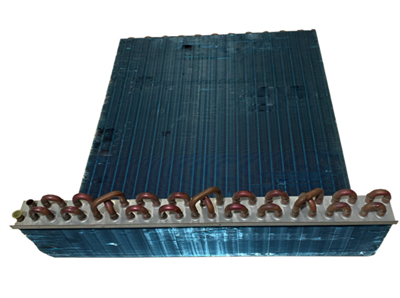
Before delving into the impact of temperature difference, it’s important to understand the fundamental principles of heat transfer in plate condensers. These devices operate based on the concept of thermodynamics, where heat is transferred from a hotter fluid to a cooler fluid through a solid surface. In a plate condenser, the hot fluid (usually a vapor) flows on one side of the plates, while the cold fluid (usually water or a refrigerant) flows on the other side. The plates are designed with a pattern of channels that maximize the surface area available for heat transfer, allowing for efficient exchange of thermal energy between the two fluids.
The heat transfer process in a plate condenser can be described by Fourier’s law of heat conduction, which states that the rate of heat transfer (Q) is proportional to the temperature difference (ΔT) between the two fluids, the surface area (A) available for heat transfer, and the thermal conductivity (k) of the material separating the fluids. Mathematically, this can be expressed as:
Q = k * A * ΔT
Where:
- Q is the rate of heat transfer (in watts or BTUs per hour)
- k is the thermal conductivity of the plate material (in watts per meter-kelvin or BTUs per hour per foot-degree Fahrenheit)
- A is the surface area of the plates (in square meters or square feet)
- ΔT is the temperature difference between the hot and cold fluids (in kelvin or degrees Fahrenheit)
From this equation, it’s clear that the temperature difference is a key factor influencing the rate of heat transfer in a plate condenser. The larger the temperature difference, the greater the driving force for heat transfer, and the more efficiently the condenser can remove heat from the hot fluid.
Effects of Temperature Difference on Heat Transfer Rate
One of the most significant effects of temperature difference on heat transfer in a plate condenser is its impact on the heat transfer rate. As the temperature difference between the hot and cold fluids increases, the rate of heat transfer also increases proportionally, according to Fourier’s law. This means that a larger temperature difference allows the condenser to transfer more heat in a given amount of time, resulting in faster cooling of the hot fluid and more efficient operation of the system.
For example, consider a plate condenser used in a refrigeration system. If the temperature of the hot refrigerant vapor entering the condenser is 50°C, and the temperature of the cold water used for cooling is 20°C, the temperature difference (ΔT) is 30°C. If the surface area and thermal conductivity of the plates remain constant, increasing the temperature difference to 40°C (e.g., by using colder water or increasing the temperature of the refrigerant vapor) will result in a higher heat transfer rate, allowing the condenser to remove more heat from the refrigerant and improve the overall performance of the refrigeration system.
However, it’s important to note that there are practical limits to how much the temperature difference can be increased. In some cases, increasing the temperature difference may lead to other issues, such as increased pressure drop across the condenser, higher energy consumption, and potential damage to the plates or other components of the system. Therefore, it’s essential to carefully consider the trade-offs and optimize the temperature difference based on the specific requirements of the application.
Impact on Condensation Efficiency
In addition to affecting the heat transfer rate, the temperature difference also plays a crucial role in the condensation efficiency of a plate condenser. Condensation is the process by which a vapor changes phase to a liquid, releasing latent heat in the process. In a plate condenser, the hot vapor comes into contact with the cold surface of the plates, causing the vapor to condense and form a liquid film. The efficiency of this condensation process depends on several factors, including the temperature difference between the vapor and the cooling fluid.
A larger temperature difference provides a greater driving force for condensation, allowing the vapor to condense more quickly and efficiently. This is because the temperature difference creates a steeper temperature gradient across the boundary layer between the vapor and the liquid film, which enhances the mass transfer of the vapor molecules from the vapor phase to the liquid phase. As a result, the condenser can achieve a higher condensation rate and remove more vapor from the system, improving the overall performance and efficiency of the condenser.
However, similar to the heat transfer rate, there are limits to how much the temperature difference can be increased to improve condensation efficiency. If the temperature difference is too large, it can lead to the formation of a thick liquid film on the surface of the plates, which can impede the heat transfer process and reduce the condensation efficiency. Additionally, a large temperature difference may also cause the formation of frost or ice on the surface of the plates, which can further reduce the heat transfer efficiency and potentially damage the condenser.
Considerations for Design and Operation
When designing and operating a plate condenser, it’s important to carefully consider the temperature difference and its impact on heat transfer and condensation efficiency. Here are some key considerations to keep in mind:
- Optimal Temperature Difference: Determine the optimal temperature difference based on the specific requirements of the application, taking into account factors such as the type of fluids being used, the desired heat transfer rate, and the operating conditions of the system. This may require conducting detailed calculations and simulations to optimize the design of the condenser.
- Fluid Selection: Choose the appropriate fluids for the hot and cold sides of the condenser based on their thermal properties, such as specific heat capacity, thermal conductivity, and boiling point. The choice of fluids can have a significant impact on the temperature difference and the overall performance of the condenser.
- Plate Design: The design of the plates, including the pattern of channels, the thickness of the plates, and the material used, can also affect the heat transfer rate and condensation efficiency. Consider using plates with a high surface area and a uniform flow distribution to maximize the heat transfer area and minimize the pressure drop across the condenser.
- Operating Conditions: Monitor and control the operating conditions of the condenser, including the flow rates, temperatures, and pressures of the hot and cold fluids, to ensure that the temperature difference remains within the optimal range. Regular maintenance and cleaning of the condenser can also help to prevent fouling and ensure efficient operation.
Conclusion and Call to Action
In conclusion, the temperature difference plays a critical role in the heat transfer process in a plate condenser. A larger temperature difference generally leads to a higher heat transfer rate and improved condensation efficiency, allowing the condenser to operate more effectively and efficiently. However, it’s important to carefully consider the practical limitations and trade-offs associated with increasing the temperature difference, and to optimize the design and operation of the condenser based on the specific requirements of the application.
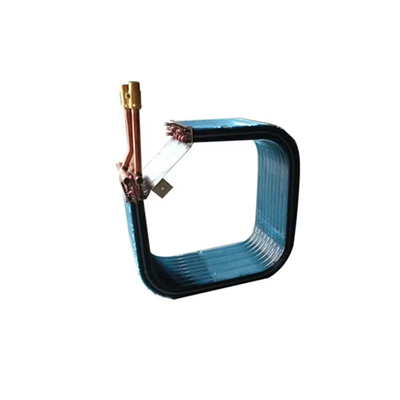
As a leading supplier of plate condensers, we have the expertise and experience to help you select the right condenser for your needs and optimize its performance. Our team of engineers can work with you to design a custom solution that meets your specific requirements, taking into account factors such as temperature difference, heat transfer rate, and condensation efficiency. Whether you’re looking for a new condenser for a new project or need to upgrade an existing system, we’re here to help.
Finned Tube If you’re interested in learning more about our plate condensers or discussing your specific requirements, please don’t hesitate to contact us. We’d be happy to schedule a consultation and provide you with a detailed quote. Let’s work together to improve the efficiency and performance of your heat transfer system.
References
- Incropera, F. P., DeWitt, D. P., Bergman, T. L., & Lavine, A. S. (2017). Fundamentals of Heat and Mass Transfer. Wiley.
- Holman, J. P. (2010). Heat Transfer. McGraw-Hill.
- Hewitt, G. F., Shires, G. L., & Bott, T. R. (1994). Process Heat Transfer. CRC Press.
Xiangshui Derkang Refrigeration Equipment Co., Ltd.
Address: No. 2, Xiaojian Town Entrepreneurship Park, Xiangshui County
E-mail: 505745223@qq.com
WebSite: https://www.xsderk.com/
