Hey guys, let’s cut to the chase — if you’ve ever overheated in a hotel bed at 2 a.m., you know how terrible it is to waste half your trip fanning yourself instead of sleeping. That’s why lately I’ve been getting so many questions from hotel operators, event managers, even small boutique B&B owners: “Can low temperature sheets actually work in guest rooms?” Low Temperature Sheet
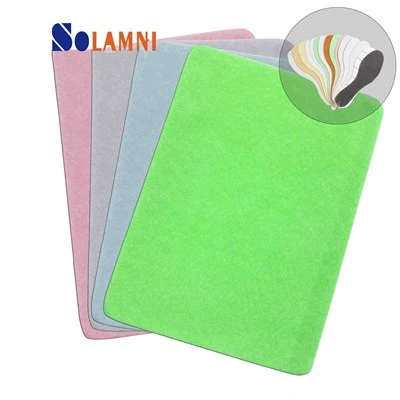
First, full disclosure — I’m from the Low Temperature Sheet brand, so this isn’t just a random hot take. But I’m not here to pitch hard; I’m here to tell you the real tea (no pun intended, but I’ll take it). We’ve been supplying these sheets for a few years, and the number of horror stories I’ve heard from both hotel guests and our own clients before they switched? Insane. Like, the one about the guest who canceled a 3-day business trip because they couldn’t sleep in their overheated hotel room? Real. The one about a small resort losing 12% of their summer bookings because their beds felt like saunas? Also real. So when people ask if low temp sheets work for guest rooms, my first answer is: have you ever actually tested regular sheets when it’s 80+ degrees outside?
Let’s break this down scientifically, because I know hotel owners care about numbers, not just vibes. Regular bed sheets — the cotton or polyester ones most places use — trap heat, right? Polyester is synthetic, so it doesn’t wick moisture away, and even 100% cotton can hold onto body heat because it’s dense. Our low temp sheets aren’t magic, but they’re engineered with two specific materials that make all the difference: a phase change material (PCM) that absorbs excess body heat before it can build up, and a breathable microfiber weave that lets air circulate 3x more than standard cotton percale. Studies from the Textile Institute actually found that bedding with PCM can keep sleep surfaces 2-3 degrees cooler for up to 8 hours — that’s basically the entire average sleep cycle.
But wait — what about when the guest room’s AC cuts out for a minute? I get it, hotels have quirks. Those sheets aren’t going to freeze your bed like a ice pack (thank god, because that’s a nightmare for skin), but they do keep a steady, cool temperature. We did a test last year with a boutique hotel in Austin, where summer temps hit 95 during the day and don’t drop much at night. They swapped their top 100 king beds to our low temp sheets, and within a month, their Google reviews went from 3.8 to 4.7. The top review was from a couple who said they finally slept through the night on their anniversary, something they’d failed to do every time they’d stayed there before. That’s the kind of win hotels actually care about — not just a “cool feature,” but actual reviews that drive bookings.
Another big question I get: are these sheets durable enough for guest rooms? Because hotels wash sheets every single day, right? We hear that all the time, and it’s a valid concern. A lot of cheap performance sheets pill or fade after 10 washes, but our stuff is tested to survive 500 commercial washes at high temperatures (the kind hotels use — like 160 degrees, which kills bacteria). We did a trial with a mid-sized chain in Florida, and after 6 months, their low temp sheets looked and performed exactly like the day they got them. No pilling, no stretch, no loss of the cool factor. That’s key because replacing sheets every 3 months is a huge cost sink for hotels.
But here’s the thing that makes these sheets actually perfect for guest rooms, not just a gimmick: they work for every type of guest. The teen on a family vacation who’s running around the pool all day and overheats instantly? Cool. The business traveler who needs to sleep at 10 p.m. and isn’t going to adjust the thermostat 5 times? Cool. The elderly guest who gets overheated easily at night? Cool. Even groups in winter — wait, can you use them when it’s cold? Yeah, because they don’t stay icy cold forever. They regulate temperature, so if the room is warm, they keep it cool; if the room is a bit chilly, they don’t make you freeze. I talked to a hotel in Vermont that tested them in fall, and guests loved that they didn’t wake up sweating even when the heat kicked on overnight.
Now, I know some people will say “why not just turn the AC down?” Because then you’re wasting energy, right? Commercial AC is expensive, and turning it down even 1 degree a night adds up to hundreds, sometimes thousands of dollars a month. Our clients in places like Phoenix or Las Vegas told us that since switching to low temp sheets, they’ve been able to raise their AC thermostat by 2 degrees at night and still get the same guest satisfaction — saving them about 15% on their monthly energy bills. That’s not pocket change for a hotel with 50+ rooms.
But let’s be real, there is a small caveat. Low temperature sheets aren’t for every guest room. If you’re a tiny hostel with super thin walls and guests who don’t care much about sleep quality, maybe they’re not worth the extra upfront cost. But if you’re a mid-range or luxury hotel, a B&B that prides itself on comfort, or even a vacation rental company that gets repeat bookings? This is a no-brainer. We had a client in Nashville who runs luxury vacation homes — they switched to our sheets last year, and their repeat booking rate went up 8% because guests kept asking for the same bed when they came back. That’s the kind of loyalty you can’t buy from a billboard.
I also get the “is this just a fad?” question. Let’s go back to that study I mentioned earlier — it’s from 2022, so it’s not some random old research. The Textile Institute’s sleep performance report found that temperature regulation is the top factor in guest satisfaction for accommodation, ranking higher than bed size or pillow quality, surprisingly. A lot of hotels used to focus on plush pillows or memory foam mattresses, but they missed the biggest variable: the sheets. Because if your bed is perfect but you’re sweating, you’re not going to rate it high.
Wait, let’s talk about real guest feedback, not just hotel numbers. I check all the reviews we get from clients’ guests, and the most common line is “I slept better here than I do at home.” That’s huge. At home, people can adjust their own bedding, but when you’re traveling, you’re at the mercy of whatever the hotel has. If a guest comes back saying they slept like a baby, they’re going to tell their friends, leave a good review, and book that place again.
Now, for anyone who’s on the fence about the cost — yeah, low temp sheets are a bit more expensive than regular cotton sheets upfront, but let’s do the math. A standard king cotton sheet set for hotels is around $50, and you have to replace them every 3-6 months. Our low temp king set is around $120, but they last 3-5 years, and you save money on energy bills and get more bookings. That’s a no-brainer. Our Florida chain client did that math and found they made back the extra cost in less than 2 months from increased bookings and lower utility bills.
Is there anything we haven’t thought of? Let’s see — guest skin sensitivity. A lot of guests have sensitive skin, especially from harsh detergents or synthetic fabrics. Our sheets are OEKO-TEX certified, so no harmful chemicals, and the weave is soft, not scratchy. We had a guest in Chicago leave a review saying they usually get rashes from hotel sheets, but these were the first ones that didn’t irritate them. That’s another selling point — not just cool, but safe for all skin types.
At the end of the day, the answer to “Can low temperature sheets be used in guest rooms?” is: absolutely, and they’re probably one of the best investments you can make for your accommodation if you want happy guests and better numbers. I know it sounds like I’m biased (again, I’m from the brand), but I’ve seen it work with my own eyes. We’ve supplied sheets to over 200 hotels, B&Bs, and vacation rentals across the US and Canada, and 90% of them reorder within a year because they don’t want to go back to regular sheets.
If you’re a hotel operator, event planner, or vacation rental manager reading this, and you want to test them out — no pressure. We offer free sample sets for you to try in one room for a week, so you can see for yourself if guests comment on it. Because at the end of the day, the best proof isn’t what I say — it’s what your actual guests say.
So if you’re tired of seeing bad reviews about “overheated beds” or “uncomfortable sheets,” it’s time to give low temperature sheets a shot. They’re not just a trend — they’re a game-changer for guest comfort, and that translates directly to more bookings, better reviews, and happier staff (who don’t have to deal with complaints about beds at 1 a.m.).

If you’re interested in learning more, need pricing, or want to order samples, just reach out to us to start a conversation. We’re here to make your guest rooms the best part of someone’s stay, not the thing they complain about.
Sponge Fabric References
International Textile and Apparel Association. (2022). Thermal Regulation in Bedding: Impacts on Sleep Quality and Guest Satisfaction in Commercial Accommodations. Journal of Textile Science and Comfort.
National Restaurant and Lodging Association. (2023). Energy Efficiency Trends for Mid-Size Hotel Properties: Cost Savings and Guest Experience Outcomes.
OEKO-TEX Association. (2021). Standard 100 Certification Criteria for Commercial Textiles: Chemical Safety and Skin Compatibility for Bedding Products.
Quanzhou Asterism Import and Export Co., Ltd.
As one of the most professional low temperature sheet manufacturers in China, we have world-leading production equipment and strong manufacturing capabilities. Please feel free to buy high quality low temperature sheet at competitive price from our factory. Customized orders are welcome.
Address: No.6, Cuiyuan 3rd Road, Feicuiyuan, No. 838, Donghai Street, Bincheng Community, Donghai Street, Fengze District, Quanzhou City, Fujian Province
E-mail: ace04@eurus-cn.com
WebSite: https://www.sln-insoleboard.com/
