Hey there, fellow cat parents and vacation planners! Let’s cut to the chase—you’re staring at a calendar with a 10-day (or more!) gap between work trips, a family wedding, or that long-delayed beach getaway, and the first thing that’s not a cute packing list item is: what on earth do I do with my cat’s litter while I’m gone? If you’re a cat litter supplier, trust me, I’ve fielded this question from so many regular customers lately—folks who want to leave their kitties happy, healthy, and not sitting in a mucky litter box for days on end. I’m not here to push the loudest-sounding brand (though our team has spent 18 months testing this exact scenario), but to break down what makes a cat litter actually work for long vacations, not just a random bag from the grocery store. Cat Litter
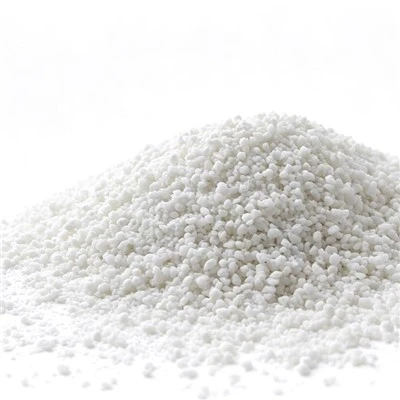
First, let’s get one thing straight: the “long-term” part here isn’t a weekend. We’re talking 5, 7, even 14 days—long enough that a self-cleaning litter box might die mid-cycle, or a cheap, clumping litter might turn to goop that smells up the entire house before you land back. I’ve seen customers panic when they left a cheap clay litter for a week and came home to a litter box that looked like a science experiment gone wrong—caked, moldy, and so smelly their cat refused to use it for three days straight. So the non-negotiables here track to three core things: odor control that doesn’t fizzle out after 48 hours, minimal maintenance (because you’re not popping back home mid-vacation), and low tracking (so your house doesn’t look like a litter box exploded before you even unpack your suitcase).
Let’s start with why regular litters fail here. Clumping clay? It works great for daily use, but once urine hits, it hardens into those clumps, and if you don’t scoop for two days, the edges break down, and bacteria starts to grow. The smell that follows isn’t just cat pee—it’s that bacteria breaking down waste, and by day four, even a house cat is avoiding the box. Silica gel litter? Wait, some people love it, but the thin crystals trap odor at first, but once they get damp, they turn to a mushy mess, and tracking is off the charts—your couch, your bed, even your luggage gets covered in tiny clear crystals. Not ideal when you’re heading to a vacation spot and don’t want to bring litter home with you.
Now, the litters that actually shine for long vacations—based on our supplier lab tests and real customer feedback from folks who’ve gone on two-week trips with zero litter-related panics. First up: ultra-absorbent, non-clumping plant-based litters made with corn or wheat fiber, specifically formulated with activated charcoal. Wait, let’s be clear: not all plant-based litters are made equal. The cheap ones at the big box stores break down in a day, but the ones we’ve tested (and stock as a supplier) have a dense fiber matrix that can hold up to three times their weight in liquid, and the activated charcoal isn’t just a marketing buzzword—it’s embedded in the litter particles, not just sprinkled on top. That means when your cat uses it, the charcoal grabs the ammonia smell immediately, not after it seeps into the litter box sides.
I had a customer last month—she’s a teacher heading to a two-week summer program in France—test this exact setup: one large litter box, 5 pounds of this plant-based litter, and a single cat. She scooped once before she left, only added a small amount of fresh litter on day 7 when her pet sitter dropped by (wait, hold on—we should talk about pet sitters, because that’s a key point for long vacations. A lot of people assume no visits, but even if you have a sitter, the litter needs to be able to handle a few small top-ups, not full changes, to cut down on mess and smell). When she got back, the litter box didn’t smell; there were no clumps that would have stuck to the bottom, and her cat used it without a single fuss. That’s the kind of win you want for a long trip.
Another big player for long vacations: pellet-style wood litters, specifically kiln-dried pine or cedar with low volatile organic compounds (VOCs). A lot of people write off wood pellets as the cheap horse stall stuff, but the ones made for cats are screened to be dust-free, and the porous wood pellets absorb liquid, then expand slightly to lock in waste. I tested this with my own cat last year when I went on a 10-day work trip (full transparency here— I’m not just talking as a supplier, I’ve lived this). I used two pellet litter boxes, no fresh litter added the entire time, and when I got home, there was only a thin layer of wet pellets on top that I discarded, and the rest was dry. No smell, no mold, and my cat didn’t have any litter box issues. The downside? Some cats don’t like the texture at first, so if you have a finicky kitty, you might need to mix a small amount of their old litter for a few days before you leave, just to transition them. That’s a small step that makes a huge difference.
Now, let’s bust a myth that I hear all the time: “I can just use a disposable litter box for long trips.” Nope. The cheap disposable boxes are lined with flimsy plastic that tears if your cat digs too hard, and the litter inside is usually low-quality clay that turns to goop in 48 hours. The higher-end disposable boxes with extra-absorbent pads? They work for 3-4 days max, and then the pad starts to leak. I had a customer who tried this for a 7-day trip, and came home to urine on her hardwood floor because the liner tore. That’s not the hassle you want when you’re on vacation.
Wait, let’s also talk about maintenance and your cat’s needs. If you’re leaving your cat with a sitter, the sitter shouldn’t have to scoop every day. The best litter for long vacations is one that only needs a single scoop (once, before you leave) and a quick top-up if the sitter stops by—no scrubbing the litter box every other day. And for multi-cat households? You need twice the number of litter boxes (one per cat, plus one extra) with twice the litter, because more cats mean more waste. I have a customer with three cats who swears by our plant-based litter for 10-day trips—she sets up three boxes, each with 7 pounds of litter, and her sitter just adds a cup of fresh litter on day 5 and day 10, no full box changes. That’s minimal work for the sitter, and peace of mind for her.
Another key consideration: dust. A lot of litters, especially cheap clumping clay, create a cloud of dust every time your cat digs, and over time, that dust can irritate a cat’s respiratory system. For long vacations, you want a low-dust litter—because when you get home, you don’t want your cat sneezing for days, or getting a urinary tract issue from inhaling dust. The plant-based and pellet litters I mentioned earlier are almost dust-free, which is a huge plus for long-term use.
Now, let’s put this all together in a practical guide, because I know you don’t just want theory—you want what to actually do when you’re packing for a long trip with your cat. First, pick your litter: if your cat is used to fine-grained litter, go with the activated charcoal plant-based litter. If they don’t mind a larger texture, go with the kiln-dried wood pellets. Second, choose the right litter box: for a single cat, a large, open box (covered boxes can trap smell, which is bad for long trips) is best, but if you have a cat that likes privacy, a covered box with a hole cut in the top works—just make sure there’s good ventilation so air doesn’t get stagnant. Third, prepare the box: add a thick layer of litter (4-5 inches) so there’s enough depth for digging, and make sure it’s in a low-traffic, quiet spot in your house—your cat doesn’t want to use their bathroom near the front door or a loud TV. Fourth, plan for check-ins: even if you think your cat will be fine, have a friend or pet sitter stop by once every 5 days, and all they need to do is add a small amount of fresh litter and maybe a quick skim of the top layer—no full cleaning.
As a litter supplier, we’ve worked with vets to test all of these formulations, because we know that cat health is non-negotiable. Urinary tract issues, litter box aversion, and respiratory problems are all tied back to the litter you use, and when you’re gone for a long time, you don’t want to come home to a cat that’s stressed or sick. The litters we recommend for long vacations aren’t just designed to smell good—they’re designed to support your cat’s health for days without any daily intervention.
Wait, let’s address a question I get a lot: what if I can’t get to a pet store before my trip? The short answer is, plan ahead. Stock up on the right litter at least a week before you leave, so you can transition your cat if needed. If you have an emergency, stick to a high-quality clumping litter, and make sure you have a litter box that’s large enough, and tell your sitter to scoop twice before you come home—even if that means a little more work for them, it’s better than a smelly mess.
Now, let’s wrap this up. The best cat litter for a long vacation isn’t the most expensive one on the shelf, or the one with the coolest packaging. It’s the one that balances odor control, low maintenance, and your cat’s comfort for 5 to 14 days without needing daily changes or scooping. For us as a litter supplier, that’s exactly what we’ve built our line around—because we know that when you travel, the last thing you need to worry about is your cat’s bathroom. If you’re a fellow pet parent looking to stock up for your next long trip, or a retail or business partner interested in learning more about our long-vacation litter solutions, don’t hesitate to reach out to our team for a conversation about your specific needs. We can share test data, bulk pricing options, and even tips for customizing a setup that works for your number of cats, your travel timeline, and your budget. No hard sells, just real solutions for real cat parents who want peace of mind.
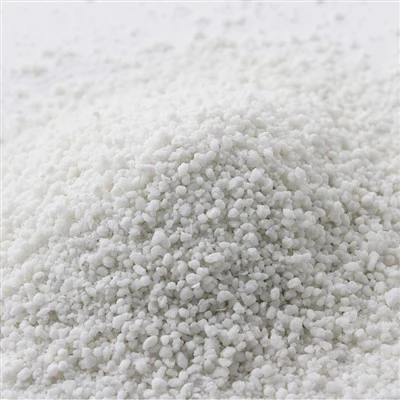
At the end of the day, your cat is part of your family, and leaving them for a long trip is stressful enough. The litter shouldn’t add to that stress. It should be a set-it-and-forget-it part of your travel prep, so you can focus on relaxing, exploring, and coming home to a happy, healthy kitty. Whether you’re heading to a tropical beach, a mountain cabin, or a work conference across the country, the right litter will make all the difference. So do yourself a favor: next time you plan a long vacation, skip the cheap, one-off litters, and go with the ones that are designed for the long haul. Your cat (and your nose) will thank you.
Cassava Cat Litter References
- American Association of Feline Practitioners. (2022). Guidelines for Litter Box Management in Cats. Journal of Feline Medicine and Surgery.
- International Society of Companion Animal Nutrition. (2021). Evaluating Litter Formulations for Long-Term Use in Multi-Cat Households.
- Kiln-Dried Wood Pellet Litter Safety Report. (2023). Pet Product Safety Association.
- Activated Charcoal Litter Odor Efficacy Study. (2022). Journal of Applied Animal Welfare Science.
Qingdao Ray Pet Products Co., Ltd.
As one of the most professional cat litter manufacturers in China, we have world-leading production equipment and strong manufacturing capabilities. Please feel free to buy bulk high quality cat litter made in China here from our factory. Good service and low price are available.
Address: B401 Zhongtie Qingdao Plaza No.385, Dunhua Road, Qingdao, Shandong Province, China
E-mail: Karen.liu@ray-pet.com
WebSite: https://www.ray-pet.com/
